
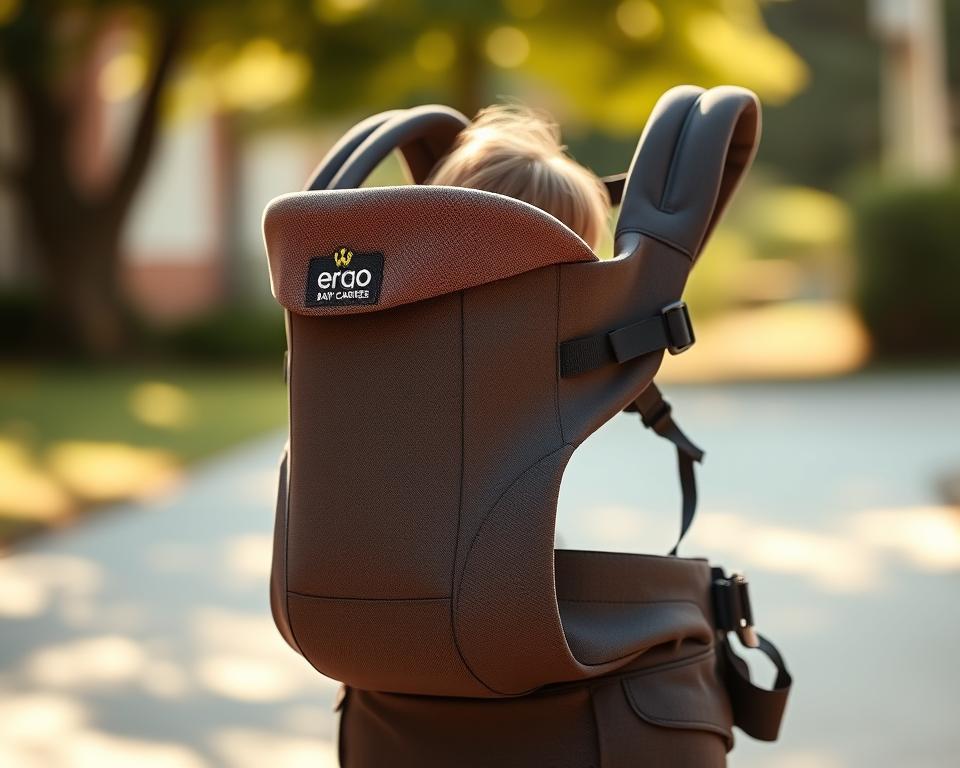
Which carrier will keep our backs happy on a full day out: the structured support of an ERGO BABY CARRIER or the softer hug of brands like Tula and Boba?
We begin by looking at core design choices that shape comfort and posture. ERGO Baby Carrier models—Original, Omni 360, and Adapt—use wide, padded waistbands, lumbar support, and a structured seat to keep babies in the M-position recommended by pediatric experts. That structure spreads weight to the hips and reduces shoulder strain during long hikes or errands.
Tula and Lillebaby take different routes: Tula favors a softer, form-fitting feel that many parents find cozy for short outings, though it sometimes needs an infant insert for newborns. Lillebaby competes strongly on lumbar support and adjustability, offering multiple carry positions and a height/width panel that customizes fit as a baby grows.
BabyBjörn and Boba occupy distinct niches. BabyBjörn’s narrower seat can feel less hip-friendly over long wear, while Boba provides affordable, soft-structured options that support front and back carries but often lack ERGO’s pronounced lumbar padding.
In practical terms, ERGO’s combination of a structured seat and broad waistband generally wins for extended use, especially for parents prioritizing back health and long-wear comfort. We’ll weigh these trade-offs against portability, softness, and price in the next sections, and you can find more carrier comparisons and user insights at this helpful guide on baby carriers here.
Key Takeaways
- ERGO BABY CARRIER excels at weight distribution with a wide waistband and lumbar support.
- Tula offers a softer, more form-fitting comfortable infant carrier ideal for short trips.
- Lillebaby rivals ERGO on lumbar support and wins on adjustability for growing babies.
- BabyBjörn’s narrower seat may be less suited for long-term babywearing comfort.
- Boba gives budget-friendly, soft-structured options but often lacks robust lumbar padding.
- For newborns, ERGO’s adjustable seat or insert provides reliable hip-healthy positioning.
Price Comparison: Which Brand Offers the Best Value for Money?
We look at price ranges, long-term value, and material differences to help readers compare options. Upfront cost matters, but we weigh it against expected lifespan, included accessories, and resale value. That perspective changes what “best” means for a family planning to use a carrier daily versus someone who needs it occasionally.
Retail pricing places ERGO BABY CARRIER models in the mid-to-high tier, typically $120–$200 depending on features. Tula and Lillebaby sit in a similar band. BabyBjörn can be mid-range with some premium models above that. Boba and Infantino aim at budget shoppers, often selling between $60–$130. We factor those numbers into cost-per-wear estimates.
Material and Durability: What Sets Ergo Apart?
ERGO uses woven cotton blends with reinforced stitching at stress points and sturdy buckles. That combination resists deformation and holds up through repeated daily use. Some ERGO models include breathable mesh panels, such as the Omni 360 Cool Air Mesh, which help in hot weather.
The padded waistbands on ERGO carriers are thicker than on many budget options. That padding reduces pressure for parents carrying toddlers for long periods. We note that this design mimics the support of a baby carrier with hip seat without requiring a detachably built hip seat accessory.
Comparing construction, Lillebaby offers similarly robust stitching and multiple support features. Tula favors softer fabrics that can show wear differently but remain reliable. Lower-cost carriers from Infantino and some Boba variants may use thinner padding and simpler buckles. Those trade-offs can lower initial cost but raise the chance of earlier replacement.
| Brand | Typical Price Range | Material Highlights | Durability Notes |
|---|---|---|---|
| ERGO BABY CARRIER | $120–$200 | Woven cotton blends, reinforced stitching, padded waistband, mesh options | High; strong resale value and long service life with daily use |
| Lillebaby | $120–$200 | Multiple support panels, durable fabrics, reinforced seams | High; robust design for extended use |
| Tula | $120–$180 | Soft fabrics, comfortable padding, classic designs | Good; fabric may show wear differently but remains functional |
| Boba | $60–$130 | Simple woven fabrics, basic buckles, lightweight | Moderate; budget models may require earlier replacement |
| Infantino | $60–$100 | Basic padding, entry-level buckles, lightweight materials | Lower; designed for occasional use rather than daily wear |
Value metrics include initial price, included accessories, warranty length, and lifespan. ERGO typically ships with features such as infant inserts or hoods on select models, which can reduce add-on costs. That detail affects overall value for families who need a baby carrier for newborn use through toddler stages.
In practical cost-per-wear math, higher upfront investment in an ERGO BABY CARRIER can pay off for frequent users. Durability, comfort, and resale value lower the effective cost across multiple children. For parents who plan short-term or rare use, budget carriers remain a viable choice.
We present these comparisons so readers can judge trade-offs. Price is one part of value. Material quality and long-term durability shape whether a purchase truly saves money over time.
Ease of Use and Adjustability
We start by looking at how quickly caregivers can learn babywearing routines with popular carriers. ERGO BABY CARRIER models like the Omni and Adapt use multiple buckle points, an adjustable waistband, and shoulder sliders to fit a wide range of body types. That design often removes the need for an infant insert on certain models and lets parents switch between front, hip, and back carries without major rethreading.
We compare that to other brands to show practical trade-offs. Tula gets praise for a simple, intuitive fit and fewer adjustments, yet it can require an insert for newborns. Lillebaby lets you fine-tune almost every strap, giving a very custom fit but adding a learning curve. BabyBjörn keeps buckles straightforward but may not match the ergonomic breadth of ERGO. Boba gives solid hands-free support but can feel less adaptable for varying torso lengths.
User Reviews and Ratings: What Do Parents Really Think?
We compiled ratings across Amazon, BuyBuy Baby, and REI to summarize parent sentiment. ERGO, Tula, and Lillebaby consistently average between 4.0 and 4.8 stars. ERGO stands out for long-wear comfort and lumbar support, making it a favorite for a baby carrier for hiking and long walks.
Parents frequently praise ERGO for secure structure and back support during hikes. Common negatives mention initial setup complexity and a bulkier feel for travel. Tula reviews highlight softness and style. Lillebaby feedback emphasizes adjustable support for different bodies. Budget carriers earn mixed comments: fine for short errands but less suited to all-day wear.
We list real-world ease-of-use steps that parents share as helpful. For a typical ERGO front carry, buckle the waistband, position the baby, then secure shoulder straps in cross or backpack style. Tighten the lumbar strap before longer outings to keep weight centered.
| Feature | ERGO BABY CARRIER | Tula | Lillebaby | BabyBjörn |
|---|---|---|---|---|
| Adjustment Complexity | Moderate; multiple buckles, sliders | Low; simpler setup | High; many fine-tune points | Low; basic buckles |
| Fit Range | Wide; fits taller and plus-size caregivers | Medium; may need insert for newborns | Wide; highly customizable | Limited; best for average torsos |
| Comfort for Long Wear | High; strong lumbar support | High; soft and cushioned | Very High; exceptional back support | Medium; less ergonomic on long trips |
| Travel Friendliness | Medium; can be bulky | High; lighter and compact | Medium; adjustable but larger | High; simple and compact |
| Best Use Case | Everyday wear, baby carrier for hiking | Style-oriented daily use | Custom fit and long-haul support | Quick errands and short outings |
We note fit differences for varied bodies. ERGO’s adjustable sizing tends to suit taller and plus-size caregivers better than some rivals. Petite caregivers sometimes report excess fabric unless they cinch straps. Trying carriers in store or practicing at home can reduce frustration.
We recommend a few practical tips before hitting trails or errands: practice donning the carrier a few times, use a mirror or video to check the baby’s M-position, tighten the waistband before lifting your child, and, when possible, demo a comfortable infant carrier in person to test torso and height fit.
Warranty and Support Options
We look at warranty length, return windows, and customer support responsiveness to help readers choose the best baby carrier for long-term use. ERGO BABY CARRIER typically carries a two-year limited warranty that covers manufacturing defects, which mirrors policies from brands like Tula and BabyBjörn.
Return policies vary by retailer. Buying from ERGO’s official site, Amazon, or specialty stores often gives a 30–90 day return window. We recommend keeping receipts and registering products when offered to streamline any warranty claim or return process.
Customer support matters when fitting or troubleshooting a carrier. ERGO Customer Care offers direct help, fitting guidance, and video tutorials. Lillebaby and Tula are known for strong customer support as well. Smaller or budget brands may have shorter warranties and more limited help options.
Replacement parts extend a carrier’s useful life. ERGO sells buckles, infant inserts, storage pouches, and hoods, which boosts resale value and reduces waste. Tula and Lillebaby offer accessories and some spare parts. Lower-cost carriers often lack this level of parts availability.
Community resources add practical value. Large parenting groups and babywearing forums share quick fixes and adjustment tips for baby carrier for toddlers and infants. These peer networks often speed problem solving when official customer support has wait times.
We advise purchasing from authorized retailers to protect warranty validity. Keep proof of purchase, register the carrier where possible, and note return windows. These steps reduce ownership risk and make it easier to get parts or service when needed.
| Brand | Warranty Length | Return Window | Replacement Parts | Customer Support Notes |
|---|---|---|---|---|
| ERGO BABY CARRIER | 2 years (limited) | 30–90 days (retailer dependent) | Buckles, inserts, hoods, pouches | Active help center, videos, retailer demos |
| Tula | 2 years | Varies by seller; often 30 days | Selected accessories and parts | Reputable support and community guides |
| Lillebaby | 2 years | Seller dependent; often 30 days | Accessories available | Strong support reputation and fitting help |
| BabyBjörn | 2 years | Varies by retailer | Limited parts from some sellers | Good documentation; policies differ by store |
| Budget Brands | 6 months–1 year common | Shorter windows or final sale | Often limited or unavailable | Customer support may be minimal |
Versatility and Different Carrying Positions
Can one carrier truly replace a stroller, a hip seat, and a hiking frame all at once?
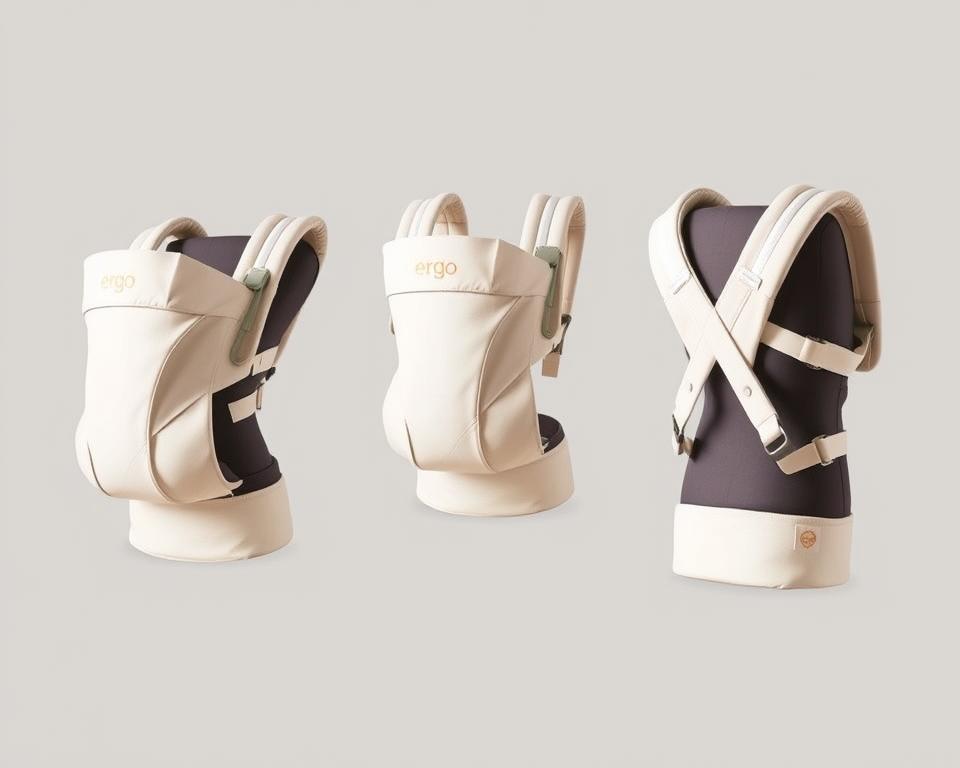
We dive into how ERGO BABY CARRIER and its rivals handle front inward, front outward, hip, and back carries so you can judge real-world flexibility.
ERGO models like the Omni 360 and Adapt let us move from newborn to toddler with minimal fuss, often without an infant insert, and they give an outward-facing option for short, curious moments.
For parents eyeing a baby carrier with hip seat convenience, ERGO’s wide, structured waistband mimics that sit-and-go feel, though a true detachable hip seat or a hybrid from brands like Chicco may be faster for quick outings.
When we plan long walks or aim for a baby carrier for hiking, ERGO’s padded waistband, lumbar support, and sturdy buckles strike a strong balance between comfort and packability; framed backpacks still win for multi-day treks, but ERGO is a top soft-structured day-hike pick.
Competitors differ: Lillebaby offers more positions on some models, Tula is simple and comfy but may need inserts for newborns, and BabyBjörn limits outward-facing carries in favor of ergonomics. We recommend checking each model’s insert and weight specs before choosing.
Because some ERGO carriers expand seat width and panel height, they grow with your child and often stretch use into the toddler years — reducing the need for an extra purchase as your child reaches toddler size.
Key Takeaways
- ERGO BABY CARRIER offers multiple carry positions that cover newborn to toddler stages in many models.
- For quick hip-seat convenience, consider a dedicated hip-seat or an ERGO accessory.
- ERGO works well as a baby carrier for hiking on day trips thanks to lumbar support and a strong waistband.
- Compare insert requirements—some carriers need infant inserts while others are newborn-ready.
- Adjustable seat width and panel height extend usable life into toddlerhood, saving money long term.
Final Verdict: Which Brand Should You Choose?
After weighing comfort and ergonomics, price, ease of use, warranty, and versatility, we find the ERGO BABY CARRIER to be the best baby carrier for most families. Its lumbar support and balanced weight distribution make it a comfortable infant carrier for long wear, whether hiking or handling busy days with a toddler. The Omni 360 and Adapt models stand out for adaptable fits that grow with your child.
We also note value over time: ERGO’s materials and warranty justify a higher upfront cost compared with budget picks. Tula offers softer fabrics and strong style appeal, making it ideal for shorter outings and parents focused on aesthetics. Lillebaby delivers the most adjustability, which helps when many caregivers of different sizes will use the carrier.
For families on a tighter budget, Boba and Infantino are practical options for occasional babywearing, though they trade off long-term comfort and durability. If quick toddler seating is a priority, a hip-seat carrier can be the right tool. We recommend testing fit in-store when possible, considering how often you’ll wear your child, and checking whether you need a newborn insert.
In short, our pick for most households is the ERGO BABY CARRIER for its blend of ergonomic support, versatility, and long-term value. Other brands like Tula, Lillebaby, Boba, and Infantino have clear strengths for specific needs, but ERGO delivers the best overall balance for parents who plan to wear their child frequently across a range of activities.
FAQ
How does ERGO Baby Carrier compare to Tula, Lillebaby, BabyBjörn, and Boba for comfort and ergonomics?
We find ERGO Baby Carrier excels at long-wear comfort thanks to its wide, padded waistband, lumbar support, and a structured seat that maintains the infant M-position. Lillebaby rivals ERGO on lumbar support and adjustability. Tula feels softer and more form-fitting for short outings but often needs an infant insert for newborns. BabyBjörn tends to have a narrower seat that can be less hip-friendly for extended wear. Boba is an affordable, soft-structured option but typically lacks ERGO’s reinforced lumbar padding and structured hip support.
Can ERGO carriers support newborns without an infant insert?
Some ERGO models—like select Omni 360 and Adapt configurations—are designed to be newborn-ready thanks to adjustable seat width and panel height. Other models may require an infant insert for very small pre-sitters. We always recommend checking the specific model’s manual and confirming proper head and neck support for pre-sitters to ensure hip-healthy positioning.
Which carrier is best for hiking and long outings?
For day hikes and extended wear, we prefer ERGO because the wide waistband and lumbar support reduce back strain. Lillebaby is a strong alternative with robust lumbar features. For serious, multi-day trail use, framed hiking carriers remain superior, but ERGO’s soft-structured carriers are an excellent balance of comfort, breathability (in mesh models), and packability for most families.
How does ERGO’s price and durability compare to competitors?
ERGO sits in the mid-to-high price range (0–0 depending on model) but offers strong value through durable materials, reinforced stitching, sturdy buckles, and higher resale value. Tula and Lillebaby occupy similar tiers. Budget brands like Boba (certain models) or Infantino cost less up front but often use lighter padding and buckles, which can reduce long-term comfort and lifespan.
What should we expect for warranty, returns, and replacement parts with ERGO?
ERGO Baby typically provides a two-year limited warranty covering manufacturing defects. Return windows vary by retailer but commonly range from 30 to 90 days. ERGO also sells replacement parts—buckles, hoods, infant inserts—and offers customer support, tutorials, and retailer demos. These services improve longevity and buyer confidence compared with many budget alternatives.
How easy are ERGO carriers to put on and adjust for different body types?
ERGO Omni and Adapt models have multiple buckle points, adjustable waistbands, and shoulder strap sliders that fit a broad range of body shapes, including taller and plus-size caregivers. There’s a modest learning curve—especially for cross-back or backpack-style carries—but once we practice at home, adjustments become quick. Petite caregivers may need more cinching for a snug fit.
Do ERGO carriers offer multiple carrying positions and toddler support?
Yes. Many ERGO models support front-inward, front-outward (on select models), hip, and back carries. Adjustable seat width and panel height extend usability into toddlerhood; some Omni models list higher weight limits (up to around 45 lbs on specific versions—check the model specs). While ERGO doesn’t always include a detachable hip seat, its structured waistband provides hip-seat-like weight distribution for toddler carries.
Is ERGO a good choice for parents who plan to babywear frequently?
We recommend ERGO for frequent babywearers because of its ergonomic design, lumbar support, and durable construction. The upfront cost is higher than budget options, but cost-per-wear and resale value usually justify the investment for daily use, hiking, or carrying toddlers over long periods.
How do we choose between ERGO, Tula, and Lillebaby based on priorities?
If long-wear ergonomics and lumbar support are top priorities, we pick ERGO (Omni 360 or Adapt). If style, softness, and ease for short outings matter most, Tula is attractive. If maximum adjustability for multiple caregivers is key, Lillebaby is ideal. Budget-minded families who wear carriers only occasionally may consider Boba or Infantino but should expect trade-offs in comfort and longevity.
What practical tips do you recommend for safe, comfortable babywearing with any carrier?
We advise practicing at home first, tightening the waistband before lifting the baby, and checking that baby’s hips are in the M-position with knees above hips. Use a mirror or ask someone to confirm head and neck support for pre-sitters. Register the product when offered, keep receipts for warranty claims, and demo carriers in-store when possible to confirm torso fit and comfort for both caregiver and child.