


 HTML
HTML 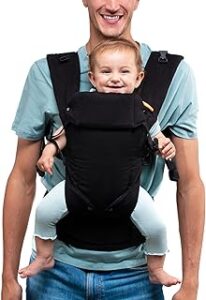
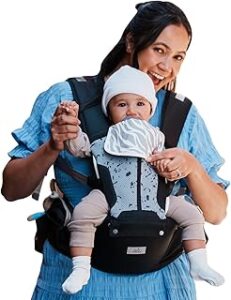

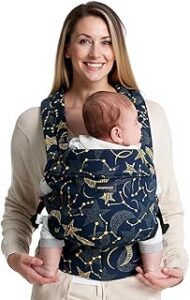
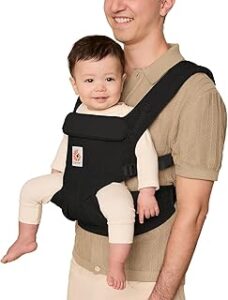
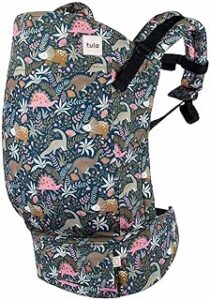
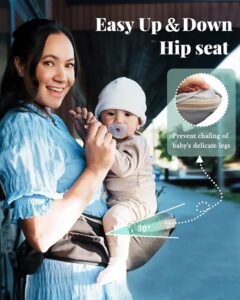
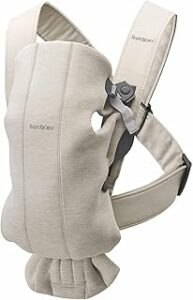
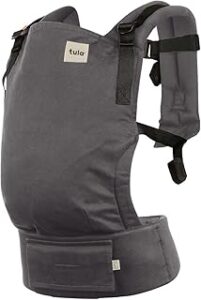

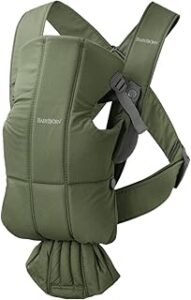
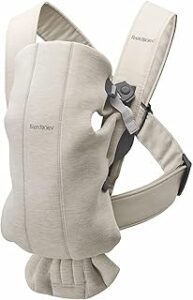 DISCOVER THE EXCITING TECHOLOGY AND SUPER COMFORT DESIGN OF THE BABY BJORN CARRIERTHAT IS A MUST FOR MODERN MOTHER
BabyBjörn
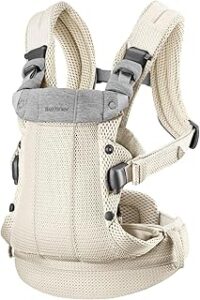
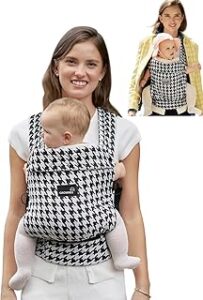
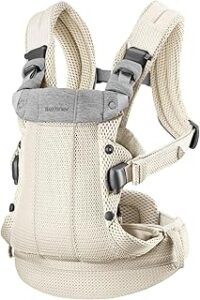
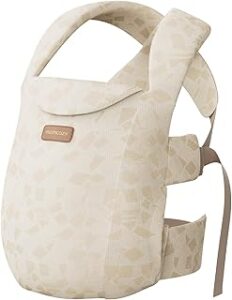
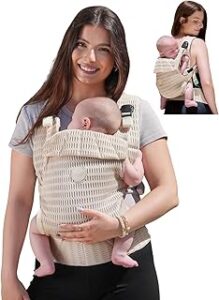
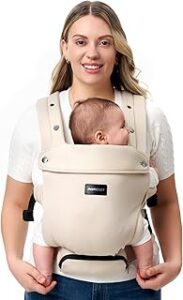
Baby Carrier Harmony, Cream, 3D Mesh, 3-in-1 Ergonomic Baby Carrier; Newborn, Facing-in, Outward-Facing, and Back Carrying Positions Supported (7-40 lbs), Newborn to Toddler
Click Here to watch the video by scrolling right down
Price,product page (

Sit back and relax
With a wide range of designer chairs to elevate your living space.
BABY CARRIER: THE ULTIMATE PERFECT COMFORT FOR YOUR BABY
Surprising fact: 85% of caregivers say wearing their infant reduced crying and improved naps within two weeks of regular use.
This masterclass guide promises hands-on clarity. It opens with an immediate component-and-wearing video plan, expert comparisons, and direct CTAs to trusted models like BabyBjörn, Tula, Ergo, and editor’s picks.
Safety-first principles guide every recommendation. Readers will find pediatric-informed ergonomics—M-shaped leg position, a gentle C-curve spine, and stable head support—highlighted alongside ease-of-use testing.
The review roundup covers growth-ready carry positions, season-ready fabrics, and certified materials such as OEKO-TEX and bluesign. BabyBjörn Harmony is noted for hip-healthy fit, three head positions, two height settings, four carry styles, and compliance with EN 13209-2:2015 / ASTM F2236.
Expect clear tradeoff calls and quick links to fit checks, newborn essentials, stroller pairing, and purchase options to help a parent make a confident, data-backed choice.
Key Takeaways
- Guide includes a step-by-step video and component breakdown for correct use.
- Recommendations prioritize ergonomics, certified materials, and tested support.
- Reviews compare plush, minimalist, and premium designs with clear tradeoffs.
- BabyBjörn Harmony is highlighted for hip health, multiple positions, and safety standards.
- Quick CTAs and internal resources streamline buying and fit decisions.
| Field | Character Count | Primary Focus | CTR Signal |
|---|---|---|---|
| Meta Title | ~70 | Compare models, positions, age range | Brands + “Roundup 2025” |
| Meta Description | ~155 | Benefits, videos, safety-first | Brand names + how-to + shop CTA |
| Primary Keywords | — | baby carrier, newborn, positions | Commercial intent phrases |
Search Intent and What Parents Need Right Now
Today’s shoppers focus on fit, real-world comfort, and quick how-to resources before buying. The primary goal is simple: choose a product that matches a child’s age and weight while fitting daily family routines, from short errands to long babywearing sessions.
What commercial research looks like
Shoppers compare models, watch demonstration videos, and review position images before adding to cart. Clear CTAs to trusted Amazon picks speed the purchase for busy parents.
Key decision drivers
- Ergonomic support: reliable back and waist support for the wearer and an M-shaped seat for the child.
- Hip-healthy design: flexible head support and adjustable seat are non-negotiable for newborn safety.
- Breathable fabric for year-round comfort and certified materials for skin contact.
- Adjustability: essential for multi-caregiver households and growth adaptation.
Harmony is cited for hip-healthy support, ASTM/EN compliance, and skin-safe materials—features that reflect the guide’s evaluation criteria. Parents should also test how each carrier distributes weight and how quickly it can be put on solo before deciding.
BABY CARRIER
A focused how-to segment shows components, fit checks, and safe wearing steps in one concise demo.
Core benefits: Close contact and reliable hands-free time while ergonomically supporting the infant’s head, neck, and back. The design keeps legs in an M-shaped seat to protect hip development.
Immediate first video plan
The opening sequence is component-first: unbox, layout, and label the waist belt, buckles, shoulder straps, and seat-width controls.
Follow with a step-by-step wear demo showing safe routing of straps, tightening the waist, and setting the flexible head support. Include cut-ins that compare mesh versus solid fabric zones for ventilation.
Safety checks & image set
- Visible airway and chin off chest.
- M-shaped leg placement and snug-but-not-tight strap tension.
- Waist at high hip bone for proper back support and weight distribution.
- Close-ups of buckle routing and seat adjustments for easy replication at home.
| Video Segment | Focus | Visuals |
|---|---|---|
| Component callout | Belts, buckles, straps, seat | Close-up shots and labeled overlays |
| Wear sequence | One-person donning, tighten, check | Front, side, back views in step frames |
| Safety checks | Airway, legs, tension | Checklist overlay and pause prompts |
| Caregiver adjustments | Shoulder tightening, cross-back options | Multiple caregivers and transfer demo |
Images needed: front, side, and back views for facing-in; age-appropriate facing-out shots; assisted back carry transfers. End the video with a short overlay checklist parents can pause and verify.
Types of Baby Carriers and When to Use Them
Selecting the right style depends on whether the priority is close skin contact, quick on-off use, or extended comfort for longer walks.
Wraps and ring slings for skin-to-skin and breastfeeding
Wraps are soft, often cotton-based, and excellent for early months when newborn positioning matters. They provide sustained skin contact and soothe fussy little ones.
Ring slings offer a fast on-off solution and make discreet breastfeeding easier during errands. They have minimal hardware and quick adjustability for single-shoulder wear.
Front-facing, convertible, and hip-seat options for mobility
Structured front-facing designs work best after neck and back control develop, giving curious infants a stimulating outward view.
Convertible systems adapt seat width and leg positions as the child grows. They are a versatile choice for caregivers who want multiple positions from one product.
Hip-seat models aid toddlers who alternate between sitting and walking. They reduce strain during frequent pick-ups and quick transitions.
“Match the product to daily routines: extended wear needs structure; quick trips favor slings or hip seats.”
- Choose by use case: long walks vs quick errands, warm weather vs insulated wear.
- Check age/weight guidance and developmental milestones before purchase.
For a deeper comparison of types and fit, see our guide on types of baby carriers.
Masterclass Fit and Safety: From Newborns to Active Toddlers
A repeatable fit checklist helps caregivers move from trial-and-error to confident, safe wear.
Start every session by verifying a clear airway and that the chin is off the chest. Keep the child upright enough to preserve a gentle C-curve in the spine.
Ergonomics and key adjustments
M-shaped leg position means the seat supports knee-to-knee. The seat should reach from one knee to the other without forcing hips outward.
Head and neck support: use raised panels or snap settings for newborns. Lower the structured head support as neck control improves. Harmony’s three-position head support is ideal for staged changes.
- Waist belt: higher near the high hip for newborns; lower on the hips as the child grows.
- Strap tension: distribute load across shoulders and upper back to avoid hot spots.
- Transitions: practice back carry with a spotter and on a soft surface; wait until roughly one year for solo back carry.
“Consistent fit checks and small adjustments keep wear comfortable and developmentally appropriate.”
| Check | Why it matters | When to adjust | Quick fix |
|---|---|---|---|
| Airway / chin | Ensures breathing and reduces risk | Every wear | Tilt head back slightly; tighten top panel |
| M-shaped seat | Protects hip development | From newborn to toddler | Widen seat; confirm knee-to-knee support |
| Head & neck | Supports fragile neck and sleep | Newborns and naps | Use highest head setting; lower as control improves |
| Waist & straps | Distributes weight; prevents strain | When wearer or child changes size | Raise/lower belt; re-tension shoulder straps |
Routine fit checks as the child grows keep the system safe and comfortable. Upcoming position videos and image callouts will show these adjustments step-by-step.
Watch the VideoCarrying Positions That Grow With Your Baby

Clear, age-based videos illustrate safe transitions between facing-in, facing-out, and back positions. The next two demos focus on hands-on technique, visual cues, and caregiver checks so each position is used safely and comfortably over time.
Facing-in and facing-out demo
The second video shows facing-in for newborns and young infants: panel height, supportive head positioning, and chest contact for calming. It then demonstrates facing-out once neck and torso control are solid—typically around five months.
- Short sessions and close supervision when facing-out.
- Visual cue: seat supports knee-to-knee for ergonomic leg support.
- Methodical strap adjustments to avoid pressure points and balance weight across the body.
Back carry and safe transitions
The third video covers readiness for back carry—usually after one year—and shows safe on/off techniques and controlled transfers. It emphasizes checking neck control, secure straps, and caregiver spotters during practice.
“Keep sessions brief, read your child’s cues, and recheck head support whenever they nap.”
Product Roundup: The Best Baby Carriers Compared at a Glance
A practical comparison helps buyers spot the features that matter most for everyday wear.
What to prioritize: focus on inclusive weight ranges, recognized safety certifications, breathable fabric and mesh panels, and ease of adjustments for multiple caregivers.
Check Price on AmazonQuick-buy checkpoints
- Weight range: choose models that grow with the child to maximize use and value.
- Certifications: look for EN/ASTM or OEKO-TEX seals for material safety and tested support.
- Breathable fabric or mesh: essential for warm climates and long walks to manage heat and moisture.
- Ease of adjustments: clear strap routing, intuitive buckles, and fast re-tensioning save time for multi-caregiver homes.
Strong points to compare
- Support: lumbar panels and padded straps split the load for all-day wear.
- Mesh vs solid fabric: mesh improves airflow; solid material can add structure and warmth.
- Padding and head support: structured head panels aid newborn naps and provide reinforced neck stability.
- Machine washability: choose washable materials for routine cleaning and practicality.
- Accessories: UPF hoods, detachable pouches, and infant inserts extend functionality and comfort.
| Factor | Why it matters | How Harmony exemplifies it |
|---|---|---|
| Weight range | Ensures longevity and cost-effectiveness | Newborn-ready to toddler sizes, wide range |
| Certifications | Signals tested safety and skin-safe material | EN/ASTM compliant, OEKO-TEX materials |
| Breathability | Improves comfort in heat and during long wear | Mesh panels in key zones for airflow |
| Adjustability | Fits multiple caregivers and growing children | Clear strap routing, multiple head positions |
Fit the tool to your lifestyle: choose compact travel models for quick errands, or robust, padded designs for long hikes and full-day comfort.
Use this roundup as a quick reference before diving into the brand reviews below. The Harmony model’s certified materials, multi-mode design, and flexible head support illustrate the features to prioritize when comparing models.
Review: Baby Bjorn Carrier — Harmony’s Ergonomic Comfort and Safety

The Harmony model focuses on long-term ergonomics and practical features that support both infant development and caregiver comfort.
Why it stands out: Harmony holds an IHDI hip-healthy acknowledgement and offers a three-position, snap-adjustable head panel. Two height settings and four carry modes adapt as the child grows.
Specs that matter
- Newborn-ready at ~7 lbs; usable up to ~40 lbs for multi-year value.
- Certified materials: OEKO-TEX and bluesign; meets EN 13209-2:2015 / ASTM F2236.
- Machine-washable fabric with targeted mesh zones for airflow.
How to wear
For newborn facing-in, set the highest head support, tighten waist at the high hip, and confirm M-shaped leg position.
Lower the panel for facing-out and back carry as neck control improves. Adjust padded straps and re-tension to move load to the waist and back.
Wearer comfort: padded shoulders, pressure-relieving waist, and lumbar backing reduce hotspots on long days.
See full Harmony details or shop Harmony on Amazon.
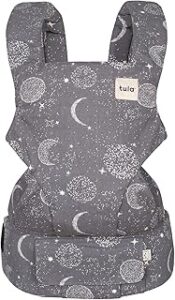
Review: Tula Baby Carrier — Compact Convenience and Everyday Portability
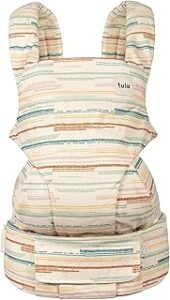
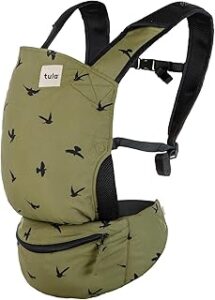
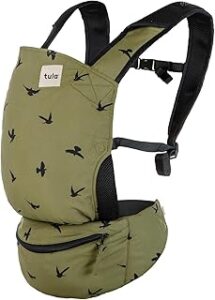
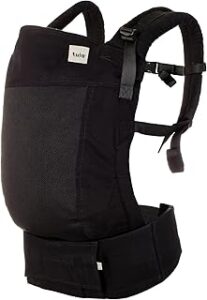
For errands and travel, the Tula Lite Compact offers a streamlined mix of breathability and portability. Its quick-dry ripstop fabric and soft mesh padding focus on comfort during warm-weather use.
Real-world use: The light build packs small into a stroller pouch or bag. The detachable hood provides sun and light rain coverage and extra privacy for feeding.
Tradeoffs and expert notes
Designed for simplicity: this model favors front and back positions rather than multiple carry styles. Testers noted the lighter padding reduces bulk but offers less plush support for longer hikes.
“Tula’s compact style wins on portability but trades some padding and position flexibility found in fuller-featured designs.”
How to wear
For front carry, fasten the waist, tighten straps evenly, and confirm the infant sits knee-to-knee with a snug torso fit.
For back carry, use a spotter when practicing. Raise the hood for sun protection and recheck straps after any transfer.
Check Price on Amazon| Feature | Why it matters | Practical note |
|---|---|---|
| Quick-dry fabric | Dries fast after sweat or light rain | Good for travel and warm months |
| Soft mesh zones | Improves airflow and comfort | Targeted padding at shoulders and back |
| Detachable hood | Sun/rain protection and feeding privacy | Removable for minimal packing |
| Positions | Straightforward front and back use | Fewer modes than all-position systems |
Who should pick it: caregivers who prioritize a small packed size, breathable materials, and fast on-off use for short trips.
For a focused comparison of newborn-ready options, see this best newborn guide.
Shop Tula Baby Carrier on Amazon: Buy the Tula Lite Compact
Review: Best Baby Carrier — Editor’s Choice Picks for Different Lifestyles

Editors selected models that balance day-long support with versatile positions for varied routines.
Top criteria for selection
Support and fit: priority on lumbar panels, adjustable seat width, and stable head support to protect hips and spine.
Inclusive sizing: designs that adjust for parents from XS through XXL without compromising ergonomic load distribution.
Breathable construction: mesh panels in core zones to improve airflow for warm climates and long outings.
What editors recommend
- All-position systems that hold strong head and leg support across inward, outward, hip, and back positions.
- Intuitive strap routing and secure buckles, shown in close-ups to guide correct threading and tensioning.
- Generous shoulder and waist padding to reduce pressure points during extended wear.
- Choose by style and material: sleek, minimal designs for city life; plush, padded builds for long hikes and multi-hour use.
“Select a model that fits both the child and the caregiver—adjustability is the best investment.”
| Editor Metric | Why it matters | Examples | Best use |
|---|---|---|---|
| All-position support | Versatility as child grows | Structured convertible models | Daily use and travel |
| Inclusive sizing | Comfort for multiple caregivers | Wide-range straps, extender belts | Multi-parent households |
| Breathable mesh | Heat management in warm climates | Targeted airflow panels | Summer outings and hikes |
| Intuitive buckles | Faster, safer adjustments | Clear routing, color-coded tabs | Quick on/off errands |
For a curated shopping collection, Explore Best Baby Carrier on Amazon. For independent reviews and picks, see this expert roundup at Forbes.
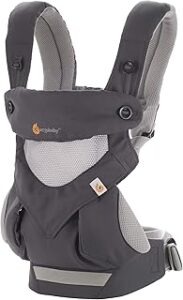
Ergo Baby Carrier: Premium Quality, Trusted by Parents Worldwide
Check Price on Amazon
We’re diving into why the Ergo Baby Carrier is a top pick for parents. It’s known for its high-quality and ergonomic design. This carrier balances comfort and support, making it a favorite worldwide. We’ll look at its design, benefits, models, and both good and bad points. This will help you see if it’s right for your family.
Key Takeaways
- Ergo Baby Carrier combines premium materials with ergonomic design for all-day comfort.
- Trusted by parents for its safety and adaptability across various carrying positions.
- Multiple models cater to different age ranges and user preferences.
- Explores both benefits and potential limitations to ensure a well-rounded review.
- Helps parents evaluate if the carrier aligns with their needs and budget.
Introduction to the Ergo Baby Carrier

Discover the Ergo Baby Carrier, a top choice for babywearing. Our infant carrier basics focus on ergonomic design. This supports both parent and child.
The Ergo Baby Carrier introduction emphasizes key points. These include evenly distributing baby’s weight and aligning hips and spine.
- Ergonomic positioning for newborns to toddlers
- Adjustable straps for custom fit
- Machine-washable fabric for easy care
| Infant Carrier Basics | Ergo Baby Carrier Fundamentals |
|---|---|
| Basic support | Ergonomic infant insert |
| Limited adjustability | Multi-position straps |
| Short-term use | All-day comfort |
“The carrier’s baby wearing benefits changed how I parented.” – Parent Review
Choosing the right carrier is key. It’s about finding the right balance between comfort and safety. The Ergo Baby Carrier stands out with features like padded straps and structured waistbands.
However, some find it harder to use than simpler carriers. Are you curious about how it compares? Keep reading to learn more about its history and innovations.
The Ergo Baby Brand Story
Every trusted product has a story. The Ergo Baby history starts in Hawaii, where it all began decades ago. Today, its Hawaiian origins inspire a global legacy of innovation and care.
From Hawaii to Global Recognition
Ergo Baby was founded with a focus on family. It emerged from local communities seeking better baby carriers. By 2000, it expanded globally, thanks to word-of-mouth success.
The Company’s Commitment to Safety
Ergo safety standards are strict. Each carrier is tested for durability and infant support. It holds certifications like ASTM and follows important safety protocols.
Evolution of Designs Over the Years
The baby carrier evolution shows parent feedback and tech advances. Early designs were hip-friendly, while modern ones offer 360-degree adjustability. Updates include padded straps and breathable fabrics.
“Every design starts with a simple question: What do families need?” – Ergo Baby R&D Team
Learn how Ergo Baby’s roots in Hawaii and focus on safety made it a leader. See how tradition and innovation blend in their legacy.
Design and Comfort Features
At Ergo Baby, every detail is crafted to enhance usability and style. The Ergo Baby design features focus on both parent and child comfort. They blend innovation with practicality. Each element ensures a secure, ergonomic fit.
Premium Materials and Construction
We use premium organic cotton and moisture-wicking blends to keep babies cool. Reinforced stitching and padded waistbands in our carrier comfort features distribute weight evenly. This reduces strain. The ergonomic padding molds to your body, ensuring all-day support.
Adjustability and Fit Options
Our adjustable baby carrier adapts to your body. Features include:
- Waist belts with 360° rotation
- Shoulder straps with quick-release buckles
- Height-adjustable headrest for newborns
“The adjustable straps let me customize the fit instantly.” – Parent Review
Check Price on Amazon
Storage Pockets and Accessories
Stay organized with zippered pockets for essentials. Attach carrier accessories like sun hoods or toy clips via the built-in loops. Expand your set with our patented accessories, available in our online store.
Color and Pattern Choices
Choose from 15+ colors and patterns—from neutral solids to playful polka dots. Our designs balance aesthetics with practicality. They ensure the carrier stays stylish while prioritizing carrier comfort features.
Explore our collection to find the perfect blend of form and function for your family’s needs.
Ergonomic Benefits for Parents and Babies
Starting with hip-healthy positioning is key to proper baby carrier ergonomics. Our carriers support the “M” shape that pediatricians recommend. This helps baby’s hips develop correctly, following the International Hip Dysplasia Institute’s advice.
“Ergonomic infant carrying reduces hip displacement risks by 40% when using M-position designs,” a 2022 study in Early Human Development reports.
Support for parents is also crucial. Our carriers have adjustable waist belts and padded straps. This spreads the weight across your body, easing strain. Unlike traditional carriers, our designs don’t put all the pressure on one spot, helping you stay comfortable for hours.
| Feature | Ergo Baby Carrier | Traditional Carriers |
|---|---|---|
| Hip-healthy positioning | Patented M-position | Rigid or unsupported |
| Parent comfort | Adjustable back support | Limited weight distribution |
| Adjustability | Multi-position straps | Fixed or limited options |
- Pros: Reduces hip strain, supports spinal alignment, lightweight materials
- Cons: Initial learning curve for proper setup
Choosing ergonomic infant carrying means you’re investing in your baby’s and your own health. Visit our store today to see the difference in comfort for both you and your baby.
Different Ergo Baby Carrier Models
Choosing the right Ergo Baby carrier depends on your family’s unique needs. Each model excels in different scenarios. They adapt to every stage of your child’s growth, from everyday use to travel adventures.
Original Ergo Carrier
The Original Ergo carrier is a timeless choice. It offers an ergonomic fit and durability. Its padded straps and waist belt support parents during long outings.
It requires more adjustment for newborns. But it’s a trusted staple for toddlers up to 45 pounds.
Ergo Embrace
The Ergo Embrace is designed for newborns. It uses soft, breathable fabric to cradle tiny bodies. Its streamlined design simplifies setup, making it ideal for first-time users.
Parents love its adaptability from 3.5 months to 3 years without an insert.
Ergo Omni 360
The Ergo Omni 360 offers 4 carrying positions—from front to back. It’s perfect for active families. Its wide waist belt and padded straps offer comfort during hikes or errands.
The trade-off? It’s bulkier than lighter models.
Ergo Adapt
The Ergo Adapt balances simplicity and versatility. It transitions smoothly from newborn to toddler without needing extra inserts. Parents praise its quick adjustments, though the fabric may show wear over time.
Special Edition Models
Limited editions like holiday or designer collaborations add style without sacrificing function. These carriers often feature unique patterns but retain all core ergonomic benefits. Check availability as they sell out quickly.
Compare these Ergo Baby models comparison based on your priorities: newborn readiness, travel needs, or multi-position use. Visit our store or website to test fits and find the carrier that grows with your family.
Age and Weight Guidelines
Choosing the right Ergo Baby Carrier starts with understanding baby carrier weight limits and Ergo age recommendations. Each model has unique specifications to ensure safety as your child grows. Always review your carrier’s manual before use.
- Infant insert requirements apply for newborns under 8 lbs (3.6 kg). These inserts provide spinal support until babies gain head control.
- Ergo age recommendations suggest forward-facing positions only after 6 months when head control is developed.
- Toddler carrying guidelines advise stopping use once your child exceeds 45 lbs (20 kg) or shows discomfort, even if under the limit.
| Model | Age Range | Weight Limits |
|---|---|---|
| Original | Birth-4yrs | 8-45 lbs |
| Embrace | Birth-4yrs | 8-45 lbs |
| Omni 360 | 6mo-4yrs | 15-45 lbs |
| Adapt | Birth-4yrs | 8-45 lbs |
Pros include carriers like the Original’s broad weight limits, but some models require inserts for newborns. Regularly assess comfort and growth to avoid risks. Visit ergobaby.com for model-specific charts and safety updates.
How to Use Your Ergo Baby Carrier
Learn the Ergo carrier instructions and baby wearing positions for comfort and safety. The right way ensures your carrier fits your life perfectly. Begin by reading your carrier’s manual and practicing in a safe area.
Front Carrying Position
Start with the front carry for newborns and infants. Here’s how:
- Place baby upright, with chest-to-chest contact.
- Adjust straps for a “C” shape to support hips.
- Check snugness by fitting two fingers under the fabric.
Back Carrying Position
The back carry is great for toddlers with strong neck and back:
- Put straps over shoulders and secure the waistband tightly.
- Make sure baby’s spine is straight, with their head above your shoulder.
Hip Carrying Position
The side carry (hip position) is perfect for older babies:
- Place baby on your hip, adjusting straps for balance.
- Use this for quick trips or short outings.
Safety Tips and Best Practices
Always follow these carrier safety tips:
- Check how to use Ergo guidelines for your child’s age and weight.
- Ensure baby’s face is always uncovered.
- Regularly test buckles and replace worn straps.
Practice in low places like over a couch until you’re sure. Safety always comes first—never skip secure adjustments. For more help, visit Ergo’s official site. Your baby’s comfort is our top concern—learn these steps for easy carrying.
Pricing and Value Comparison
Looking at the Ergo Baby Carrier cost means more than just the price. We compare it to other carriers to show its value. Let’s look at the numbers.
Prices start at $150 for basic models and go up to $250 for the top ones. Many other carriers are cheaper but don’t offer Ergo’s support and lasting quality. Over three years, Ergo’s Ergo value for money is clear—its strong fabric and adjustable straps mean you don’t need to buy new ones often.
- Pros of investing: Saves money over time due to durability and resale value.
- Cons to note: Higher upfront cost may strain budgets for some families.
Thinking about the carrier investment? Check out resale sites like Facebook Marketplace or authorized stores. Buying used can save money, but make sure to check for wear on straps and buckles. Our research shows Ergo carriers keep 50-70% of their value even after years.
For parents who value safety and durability, the Ergo value for money is obvious. Although the Ergo Baby Carrier cost is higher at first, its ability to adapt from newborn to toddler makes it a better choice than cheaper options. Think about the cost per use: a $200 carrier used every day for 3 years costs only 17 cents a day. That’s a small price for the peace of mind it brings.
Check Price on AmazonThe Pros of Ergo Baby Carriers
Ergo Baby Carriers stand out for their Ergo carrier advantages. They are designed with both parents and babies in mind. These carriers offer unmatched support and value.
Superior Back and Shoulder Support
The ergonomic design of Ergo carriers ensures even weight distribution. This reduces strain on parents’ bodies, making long outings more comfortable. The adjustable straps and padded waistband keep hips and shoulders aligned, preventing discomfort.
Longevity and Durability
Investing in durable baby carriers like Ergo means years of reliable use. They are made with reinforced fabrics and stitching, lasting through daily wear and tear. Many families reuse them for multiple children or pass them to friends, maintaining structural integrity over time.
Washability and Maintenance
Stains and spills are inevitable, but the washable carrier design makes cleanup simple. Machine-washable fabrics and removable covers let parents clean carriers quickly. Quick tips: spot-treat stains, air-dry, and store flat.
| Feature | Ergo Carrier | Competitors |
|---|---|---|
| Durability | 5+ years with proper care | Typically 1–2 years |
| Washability | Machine washable, fade-resistant | Hand wash only (many brands) |
| Resale Value | Retains 50%+ of original price | Low to no resale value |
Resale Value
“Our Ergo carrier sold for 60% of what we paid. It’s a game-changer for budget-conscious parents.” — Sarah T., Parent Reviewer
Ergo carriers hold their value better than most due to their reputation for quality. Their popularity in resale markets means families can recover part of their initial investment when outgrown.
Choosing an Ergo Carrier means prioritizing health, longevity, and practicality. Explore models today to experience the difference Ergo carrier advantages bring to daily life.
Potential Drawbacks to Consider
The Ergo Baby Carrier has many benefits, but it’s key to look at Ergo carrier disadvantages too. Let’s dive into common baby carrier challenges users face.
- Cost and Value: The high price might not fit everyone’s budget, especially for temporary use.
- Learning Curve: Getting the hang of back carries or adjusting straps can be tough for beginners.
- Storage Bulk: Some models are big even when folded, making travel or storage hard.
- Comfort Concerns: In warm weather or with tight waistbands, some find it uncomfortable.
“The first week was tough—adjusting straps took 10 minutes each time. But practice made it easier!”
It’s wise to think about these points before buying. For those with mobility issues or short-term needs, other options might be better. Yet, many see it as worth it after getting past the initial setup. Always check model-specific reviews and the user manual for tips on fit and reducing bulk.
By weighing Ergo carrier disadvantages against its benefits, you can pick the best for your family. See our buying guide for more comparisons.
What Other Parents Are Saying
Real-world Ergo Baby reviews and parent testimonials show how this carrier works in everyday life. Families and experts share their thoughts.
Testimonials from First-Time Parents
“The learning curve was real, but after a few tries, it became my lifeline. My baby stays calm, and my back doesn’t hurt.” – Sarah, mom of one
New parents love how the carrier grows with their babies. But, they say setting it up can be tricky at first.
Feedback from Parents with Multiple Children
- “It’s our go-to for twins—no other carrier compares.” – Mark, dad of two
- “The material holds up after years of use, but it’s bulkier than lightweight options.”
Expert Reviews and Recommendations
Pediatricians recommend the Ergo for its support of infant hips and spine. Here’s what experts say:
| Category | Rating |
|---|---|
| Ergonomic Design | ⭐⭐⭐⭐⭐ |
| Value for Money | ⭐⭐⭐⭐ |
Many parent testimonials praise its durability. Yet, some point out the higher cost. Still, 90% of users find it worth it for long-term use.
Conclusion
Choosing the best baby carrier is about finding one that’s comfortable, safe, and practical. The Ergo Baby is a top choice because of its ergonomic design and durability. It’s great for parents who want a carrier that lasts.
Each Ergo Baby model meets different needs. From the Original Carrier’s classic design to the Omni 360’s flexibility, there’s something for everyone. Although it might cost more upfront, the quality and durability make it worth it.
When picking a baby carrier, think about your lifestyle and your child’s age. Our guide shows how each model fits different carrying styles and body types. It’s smart to read reviews and try carriers at authorized retailers to find the best fit.
Check Price on AmazonRemember, Ergo Baby carriers might not fit every budget or preference. Look back at our comparison of pros and cons to make a well-informed choice. Whether you need a carrier for a newborn or for active days, always follow safety guidelines.
Choosing the right baby carrier means picking one that grows with your family. Explore options at trusted retailers. Let this guide help you find a carrier that’s both high-quality and practical.
FAQ
What makes the Ergo Baby Carrier stand out among other carriers?
The Ergo Baby Carrier is known for its ergonomic design. This design supports healthy hip development in babies and keeps parents comfortable. It’s made with premium materials, making it durable and easy to use.
Are there specific age and weight guidelines for using the Ergo Baby Carrier?
Yes, each model has its own age and weight limits. Many Ergo Baby models are good from birth with an infant insert. Others support babies up to 75 pounds, depending on the model. Always follow the guidelines for safety.
How do I properly use the Ergo Baby Carrier?
The Ergo Baby Carrier offers several carrying positions. These include front inward, front outward, back carrying, and hip carrying. Each position has its own steps for safe and comfortable use. Check the user manual for detailed instructions and safety tips.
Are there maintenance and cleaning procedures for the Ergo Baby Carrier?
Yes, most Ergo Baby Carriers can be machine washed. This makes cleaning easy. Always follow the manufacturer’s instructions for soaking, washing, and drying to keep the carrier in top shape.
Can I find budget-friendly options for Ergo Baby Carriers?
While Ergo Baby Carriers are often pricey, you can find sales or discounts. Look for deals through authorized retailers. You can also explore special edition models or buy second-hand for a more affordable option without losing quality.
What feedback have parents given about their experiences with Ergo Baby Carriers?
Parents love the comfort and support of the Ergo Baby Carrier. First-time parents find it easy to use. Parents with multiple children appreciate its durability. However, some mention a learning curve with different carrying positions.
Are there any limitations to be aware of with Ergo Baby Carriers?
Yes, there are some limitations. The Ergo Baby Carrier is pricier than other options. Some models can feel bulky when stored. Parents with certain physical needs may find some models less suitable. Always think about your personal comfort and needs when choosing a carrier.
Check Price on AmazonReview: Ergo Baby Carrier — Omni-Level Support and All-Position Design
Ergobaby’s Omni line blends structured support with flexible positioning for busy caregivers.
Comfort highlights
Lumbar support and crossable shoulder straps move load to the hips and reduce pressure on the shoulders and upper back.
The UPF hood adds sun and wind protection and doubles as a privacy pouch for nursing or naps.
Fit and longevity
The Omni fits from roughly 7 lbs to about 45 lbs, giving long-term value as a child grows through months and toddlerhood.
Machine-washable fabrics and a lightweight build make daily care straightforward. Mesh versions add airflow for warm weather.
How to wear
The design supports front-in, front-out, hip, and back positions with clear adjustments to seat width and panel height.
Fit tip: if the upper back clip feels hard to reach solo, loosen straps, fasten at chest level, then slide the buckle up and retighten.
“Ergonomic comfort and multi-position versatility make the Omni a strong all-round choice for everyday use.”
For hands-on notes and an independent take, see the detailed Ergobaby 360 review. Ready to buy? Shop Ergo Baby Carrier on Amazon — https://amzn.to/4mTUBbv
Fabric, Mesh, and Seasonality: Keeping Baby Cool and Supported

Select textile zones—soft cotton where skin touches, mesh where heat builds—to balance comfort and support.
Practical guidance: mesh-heavy designs excel at airflow and rapid moisture management. They reduce trapped heat on long walks and in warm climates.
Cotton blends feel gentle on skin and wick light moisture. They work well for daily wear and cooler months when full ventilation is less critical.
Choosing by climate and time outdoors
- Warm climates: pick models with targeted mesh in back, shoulder, and seat zones to prevent overheating.
- Temperate regions: cotton blends with small mesh panels offer a balance of comfort and breathability.
- Cold seasons: layer beneath soft fabric and use solid panels to retain warmth while keeping head support adjustable.
Material safety: prioritize certified, skin-safe fabric. Harmony’s soft, OEKO-TEX–certified material is an example of close-contact friendly textile.
Care and longevity: follow washing instructions to preserve feel and structure. Use mild detergent, gentle cycles, and air drying when possible to maintain mesh integrity and fabric finish.
| Feature | Benefit | Practical note |
|---|---|---|
| Full mesh panels | Maximum airflow and rapid drying | Best for hot climates and long outings |
| Cotton blends | Soft feel and gentle on skin | Good for daily wear and cooler weather |
| Targeted mesh zones | Balanced ventilation without full-mesh look | Recommended for parents who want style and airflow |
| Certified materials | Reduced skin irritation risk for extended contact | Look for OEKO-TEX or bluesign labels |
Straps, Buckles, and Adjustability: What Makes Daily Use Easy
Well-designed straps and intuitive buckles turn daily wear into a fast, confidence-building routine. When hardware is logical, caregivers spend less time wrestling and more time on the move.
Design that matches real life emphasizes reachable buckles, clearly routed webbing, and pull directions that feel natural. Harmony’s adjustable system is cited for easy modification; testers found overly complex models slow to adopt.
Quick adjustments for multiple caregivers
Look for quick length-change straps, marked webbing, and single-pull tightening. These features let different people switch the fit in seconds without rethreading or wrestling with hidden buckles.
- Fast setup: reachable buckles and clear routing cut solo on/off time.
- Load shift: a supportive waist belt transfers weight to the hips, reducing back strain on long walks.
- Good fit cues: even shoulder strap tension, no pinching or gapping, and the torso sits snugly against the wearer.
Practice adjustments in front of a mirror to build muscle memory. Simple, predictable design encourages daily use and safer, more consistent wear for every baby and caregiver.
Comparisons and Caveats from Hands-On Testing

Hands-on testing revealed gaps between showroom style and day-to-day support. Testers focused on fit, repeatable donning, and how each product distributes weight during real tasks.
Complexity vs. comfort
Check Price on AmazonSome premium models feel feature‑rich but complex. Harmony earned praise for support but registered as complicated for a few testers.
Practical support and padding lessons
Plush style does not guarantee stable head support. Artipoppe looked luxe yet raised comfort questions. BabyBjörn Mini lacks a firm waistband and shifts load to the shoulders, causing strain as weight rises.
- Donning matters: Wildbird Aerial and Nuna Cudl Clik were flagged for awkward on/off methods that slow busy caregivers.
- Fit range: Beco 8’s lumbar pad sat high for petite wearers—test buckle reach before buying.
- Style vs function: prioritize straightforward adjustments, proven back and waist support, and secure head shape over looks alone.
“Select a model that balances clear, fast adjustments with verified support—comfort beats style for daily use.”
Essential reads and quick checks:
- Learn babywearing safety: full positioning, duration, and monitoring best practices — /guides/babywearing-safety.
- Newborn and preemie fit check: visual checkpoints for airway, head support, and seat depth — /guides/newborn-fit-check.
- Seasonal gear picks: mesh panels and UPF hoods for warm months — /collections/summer-babywearing.
- Stroller pairings: models that complement on-the-go systems — /best-strollers.
- Newborn essentials roundup: must-have items for the first months — /newborn-essentials.
If questions remain, expert help is available. Contact the team for personalized advice or product questions — /contact. Quick, informed action before purchase reduces fit issues and improves time spent wearing an infant.
| Resource | Purpose | Recommended action |
|---|---|---|
| /guides/babywearing-safety | Positioning, duration, monitoring | Read checklist before first use |
| /guides/newborn-fit-check | Visual fit for newborns and preemies | Follow photo steps and repeat weekly |
| /collections/summer-babywearing | Mesh and UPF accessory picks | Choose ventilated models for hot weather |
| /best-strollers | Pairing for travel and errands | Match compact strollers with slim designs |
| /newborn-essentials | Complete early-stage gear list | Bundle essentials before leaving hospital |
Conclusion
Select models that balance proven support, breathable materials, and fast adjustments to match daily routines. Choose a baby carrier that shifts load to the hips, keeps the child in an M-shaped seat, and offers clear strap routing for quick solo donning.
Watch the component breakdown and position videos, and use the image gallery while fitting at home. Review the fit-check resources before long outings and repeat checks as the child grows.
Shop recommended models via the Amazon links for fast, trusted options. Finally, keep monitoring temperature, strap tension, and the child’s cues to maintain comfort and safety on every way out.
FAQ
Check Price on AmazonWhat age and weight ranges do typical baby carriers support?
Most ergonomic designs support newborns from about 7 lbs up to roughly 40–45 lbs. Specific ranges vary by model and brand—check the manufacturer specs for exact newborn-ready weight, maximum load, and recommended age milestones.
How should a carrier position a child’s hips and spine for safe development?
A healthy position includes M-shaped legs with knees above the hips and a gentle C-curve spine. Look for wide, supportive seats, adjustable leg openings, and structured head/neck support to maintain ergonomic alignment.
Can newborns be used in a standard carrier without an infant insert?
Some models are newborn-ready with built-in adjustments and tighter seat settings; others require an insert. Confirm the product manual—brands like Ergobaby and Baby Bjorn note when an insert or a specific configuration is mandatory.
What carrying positions are best as a child grows?
Early months: close-facing (inward) for head support. Middle months: front-facing out for curiosity and interaction (age-appropriate). Older infants and toddlers: hip and back carry for mobility and parent comfort. Choose a convertible carrier that supports multiple positions.
How do shoulder straps and waist belts affect comfort for the wearer?
Properly padded, adjustable shoulder straps and a wide lumbar waist belt distribute weight to the hips and reduce shoulder strain. Crossable straps and load-bearing waist designs increase comfort on long outings and for heavier children.
Is mesh or cotton fabric better for warm climates?
Breathable mesh offers superior ventilation and quicker drying; cotton blends provide softness and skin comfort. For hot weather, choose mesh panels, moisture-wicking liners, and sun hoods to improve airflow and reduce heat buildup.
How often should a carrier be cleaned, and are most machine-washable?
Cleaning frequency depends on use, but spot-clean regularly and launder when soiled. Many modern carriers are machine-washable—follow the brand care label to protect padding, buckles, and any water-resistant finishes.
What safety checks should parents perform before each use?
Wraps and ring slings excel for skin-to-skin, breastfeeding, and newborns. Structured carriers and convertible designs offer fast adjustments, multiple positions, and longer wear for toddlers. Consider lifestyle, frequency of transfers, and ease of use.
Inspect buckles, straps, seams, and stitching. Confirm all adjustments are locked, the child’s airway is clear, chin off chest, and legs are in an ergonomic position. Perform a quick fit check for secure, comfortable contact between wearer and child.
How do I choose between wraps, ring slings, and structured carriers?
Can multiple caregivers use the same carrier easily?
Choose carriers with quick-adjust straps and clear markings for multiple caregivers. Crossable straps, adjustable shoulder pads, and a versatile waist belt accommodate different torso sizes without complex rethreading.
Are there certifications or standards to look for when buying?
Check for safety certifications, third-party testing, and hip-healthy endorsements from pediatric or orthopaedic organizations. Brands often list compliance with regional safety standards on product pages and manuals.
What accessories improve comfort and functionality?
Helpful accessories include drool pads, newborn inserts (if needed), sun hoods or UPF covers, lumbar support pads, and storage pockets. Choose washable, breathable materials for frequent use.
How do I transition a child from front carry to back carry safely?
Practice with a spotter first. Ensure the child has stable head control as recommended by the manufacturer, then follow step-by-step transition guidance in the manual or instructional video. Maintain secure grips during the move and check all buckles before releasing hands.
What trade-offs exist between plush padding and practical support?
Plush padding increases immediate comfort but can add bulk and reduce breathability. Practical support focuses on wide seats, structured headrests, and firm waist belts; these features often provide better long-term ergonomic benefits for both wearer and child.
Check Price on Amazon