
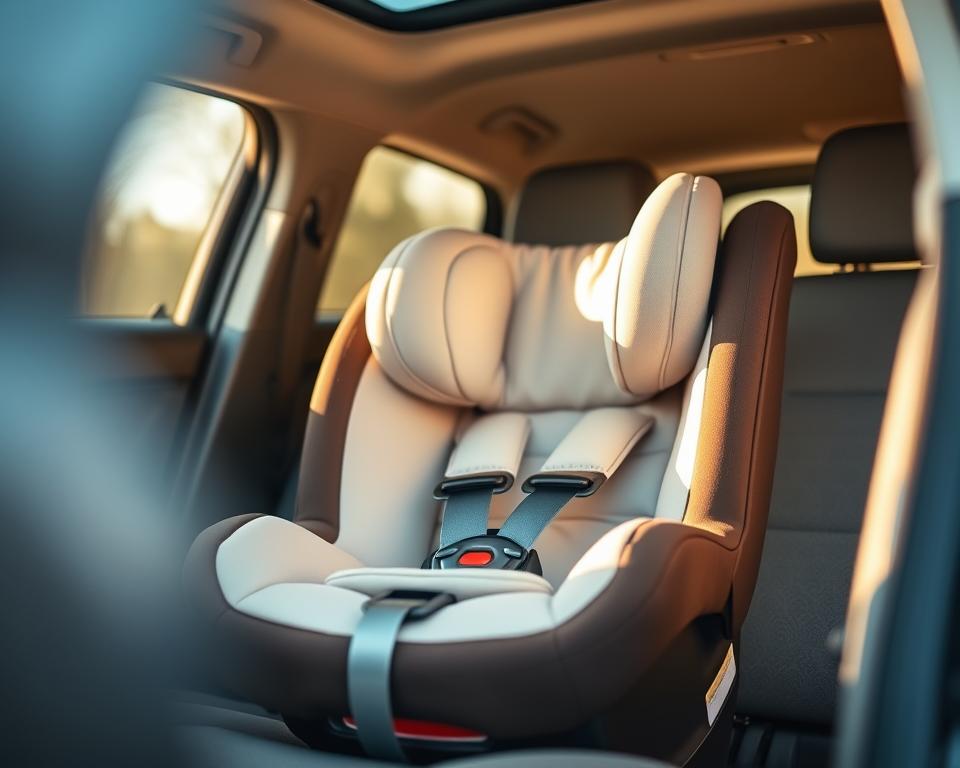
Many parents remember the first drive home with a sleeping newborn. That moment feels deeply personal. It’s not just a purchase but a promise of safety and comfort on every trip.
This guide reviews the best baby car seats. It compares models like Chicco KeyFit 30 and Nuna Pipa. It also looks at travel-system hybrids and long-term convertible designs from Graco, Britax, and Diono.
The focus is on safety, installation, and everyday use. Parents can shop on Target, Amazon, Walmart, or check out #momtobe and momtok.
The article highlights what makes a car seat for newborns ideal. It talks about lightweight bases, padded support, and breathable fabrics. It also shares pros and cons, real-parent feedback, and comparisons.
Key Takeaways
- Choosing a baby car seat blends safety, comfort, and ease of use for daily life.
- Infant car seats (Chicco, Nuna, Evenflo) are ideal for newborns and short-term use.
- Travel systems like Doona add convenience by combining stroller and car seat functions.
- Convertible seats (Graco, Britax, Diono) offer long-term value but differ in weight and installation.
- Real-parent reviews and installation ease are as important as crash-test ratings.
- Retail platforms and social channels are common research sources for U.S. parents.
Understanding the Importance of a Baby Car Seat
Choosing the right device for young passengers is more than just comfort. A safe baby car seat lowers injury risk in crashes. It also sets routines that protect infants and toddlers on every trip. Parents who focus on safety often check crash tests and brand reputations.
Why Safety is Paramount
Car seats are the main tool to prevent injuries in children. Brands like Britax, Chicco, Nuna, and Graco focus on safety. They use crash protection, energy-absorbing shells, and harness design to meet high safety ratings.
Many caregivers put safety first when picking a seat. For example, the Chicco KeyFit 30 is known for its strong crash performance. It also has easy installation that supports infant car seat safety.
Legal Requirements in the U.S.
Every state has its own child restraint rules. These rules depend on age, weight, and height. Parents must check the car seat laws U.S. in their state before traveling. Federal standards are under FMVSS 213, and most seats meet or exceed these.
It’s important to check product labels and manuals for compliance statements. Seats from trusted makers have clear markings. These confirm they meet regulatory tests and material standards.
Common Misconceptions about Car Seats
Some think a higher price means better protection. Premium models like the Nuna Pipa RX and UPPAbaby travel systems offer convenience and quality. Yet, brands like Graco and Evenflo provide reliable safety when installed right.
Another common mistake is about base-free systems like Doona. These designs make switching between car and stroller easier. But, parents should consider the added seat weight and installation differences.
There’s also a misunderstanding about how long to use a seat. Infant seats have minimum and maximum weight and height limits. Some Graco Snugride models start at about 4 lbs, while others support rear-facing up to 30–35 lbs. It’s crucial to monitor growth and expiration dates for ongoing safety.
Types of Baby Car Seats Available
Choosing the right baby car seat is crucial for safety, comfort, and convenience. It depends on the child’s age, weight, and travel needs. Below are the main types and examples of car seats available in stores and online.
Infant carriers and early travel
Infant car seats are designed for newborns and small babies. They usually support up to 4–35 lbs, depending on the model. Popular options include the Chicco KeyFit 30, Graco SnugRide 35 Lite LX, Nuna Pipa RX, and Maxi-Cosi infant seats.
These seats have a detachable carrier that fits into a base or stroller. Many parents like them for easy transfers and a safe rear-facing position early on. The Doona is a great choice for city travel, combining a carrier and stroller.
Seats that grow with the child
Convertible car seats change from rear-facing to forward-facing as the child grows. Examples are the Graco Extend2Fit and the Diono Radian 3R. They support extended rear-facing and higher weight limits than infant carriers.
Convertible seats are heavier and larger but last longer. They can be used from infancy through toddlerhood, making them a single, long-lasting solution.
Positioning for older children
Booster seats are for kids who have outgrown harnessed seats. They ensure the vehicle seat belt fits correctly across the pelvis and shoulder. Booster seats are not for newborns and are used later in a child’s life.
Choosing a booster seat requires checking the child’s height and the vehicle’s belt fit. There are high-back boosters for extra head support and backless boosters for bigger kids with proper belt fit.
| Type | Typical Age/Weight | Pros | Cons | Representative Models |
|---|---|---|---|---|
| Infant car seat | Newborn to ~22–35 lbs | Portable, compatible with strollers, secure rear-facing | Shorter usable life in car, needs a base | Chicco KeyFit 30, Graco SnugRide 35, Nuna Pipa RX |
| Convertible car seat | Infant rear-facing to toddler forward-facing (varies) | Longer service life, extended rear-facing options | Bulkier, less portable than infant carriers | Graco Extend2Fit, Diono Radian 3R |
| Booster seats | After harness limits until seat belt fit is correct | Proper belt positioning, lightweight options | Not for newborns, requires mature sitting posture | High-back and backless models from Britax and Evenflo |
Key Features to Look for in a Baby Car Seat
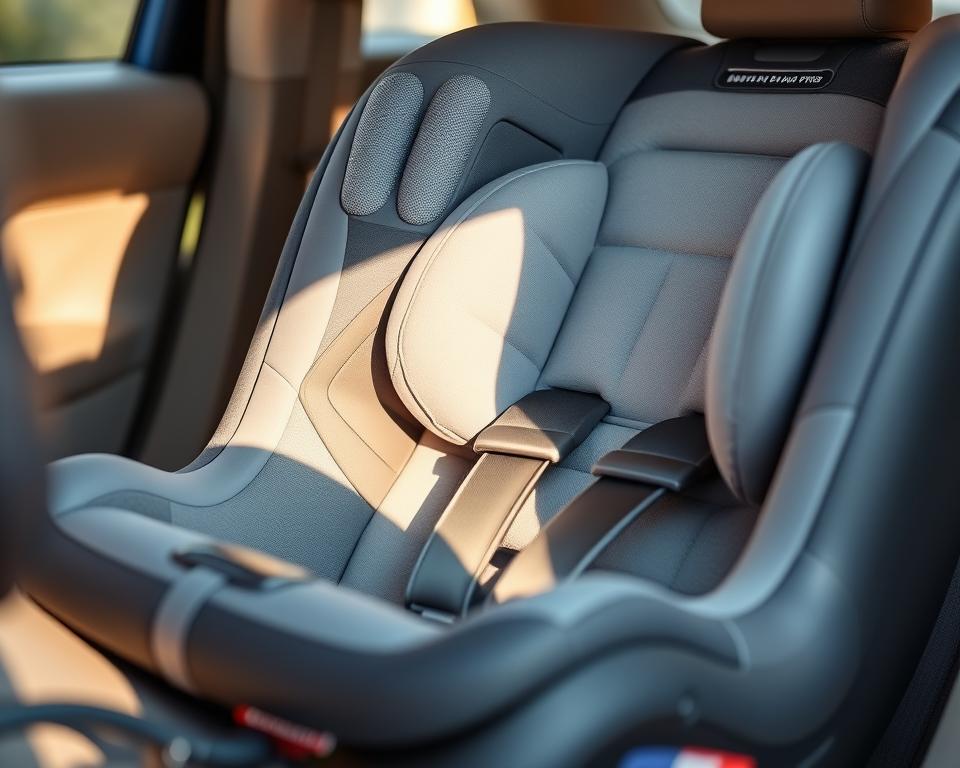
Choosing a baby car seat means looking at important details. These details affect safety and how easy it is to use every day. This section explains the key features to help parents compare models like Chicco, Nuna, Graco, and Doona.
Safety Ratings
First, check the safety ratings from NHTSA and independent labs. Parents looking for safety often choose the Chicco KeyFit 30 and Nuna Pipa RX. These models do well in side-impact tests.
Look for side-impact protection, energy-absorbing foam, and visible harness indicators. These features are crucial for reducing injury risk in crashes.
Ease of Installation
How easy a seat is to install is key to safety. Seats with clear LATCH connectors, bubble-level indicators, or belt-path guides help avoid incorrect fit.
Doona’s integrated stroller-base design makes installation simpler in some cases. Graco, Nuna, and Joie models with click-in stroller compatibility also make transfers easier and more reliable.
Comfort and Padding
A comfortable infant car seat makes trips calmer and helps with sleep. Look for breathable fabrics and non-toxic materials, like Nuna’s flame-retardant–free textiles. These help keep your baby comfortable.
Extra head support and newborn inserts are important for small infants. The Chicco KeyFit series and Nuna Pipa offer plenty of padding. Parents find these seats soothing and supportive.
Size and Weight Considerations
Lightweight infant seats are great for frequent travel and families with multiple cars. Some Nuna models weigh around seven pounds, making them easy to carry.
Products like the Doona offer an integrated stroller. This adds convenience but increases the total weight to around forty pounds. Consider what you need for daily life when choosing.
| Feature | What to Check | Brands to Consider |
|---|---|---|
| Crash Protection | Side-impact, energy-absorbing foam, harness indicators | Chicco, Nuna |
| Installation | LATCH ease, bubble levels, belt paths, click-in adapters | Graco, Nuna, Joie, Doona |
| Comfort | Breathable fabric, newborn inserts, non-toxic materials | Nuna, Chicco |
| Portability | Weight, integrated stroller options, ease of lifting | Nuna, Doona |
How to Choose the Right Baby Car Seat
Choosing the right car seat is all about safety, fit for your child, and fit for your vehicle. This guide will help you make the best choice for your family.
Assessing Your Child’s Age and Size
First, match the car seat to your child’s weight and height. Infant seats start at 4–5 pounds for newborns. Convertible seats can handle more weight and keep your child safe longer.
Always check if your child has outgrown the seat. Keeping them rear-facing as long as possible is safer. Use the car seat guide to ensure the harness and headrest are set correctly.
Vehicle Compatibility
Before buying, measure your back seat and try a test fit. Some strollers and travel systems, like Graco and UPPAbaby, need special adapters. This might affect how many seats you can fit across.
Check the manual for vehicle compatibility lists. Make sure the LATCH anchors and seat belt paths match your car.
Budget Considerations
Think about the cost and how long the seat will last. Evenflo and some Graco models are affordable but safe. Nuna and UPPAbaby offer more features but cost more.
Consider buying an infant seat now and a convertible later, or a 3-in-1 seat for more stages. Think about resale value, accessories, and how long the seat will fit your child.
Use this guide to find the safest, most compatible, and cost-effective car seat for your family. Practical testing and reading manuals will help you make the best choice.
The Installation Process: A Step-by-Step Guide
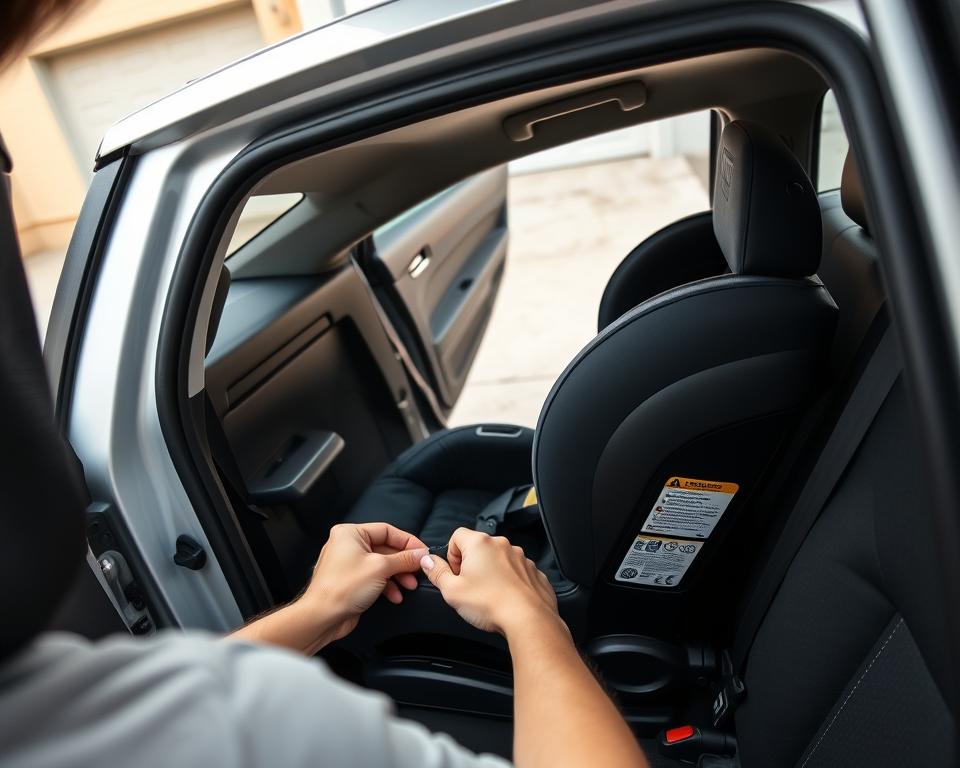
Installing a baby car seat starts with a plan and focus on the vehicle and the seat. This guide will help you install a baby car seat safely every time.
Preparing your vehicle
Clear the back seat of clutter and big items. Check your car’s manual for belt and anchor spots, and if the center seat works.
Put the base or shell on the seat. Use the built-in level or the carrier’s indicator to check the recline angle.
Installing with LATCH anchors
Use the lower anchors and tighten them as the manual says. Pull the straps until the base moves less than an inch.
Look at the child seat manual for weight limits. LATCH is easy but might not work for heavy kids and seats.
Using the vehicle seat belt
Put the seat belt through the right path on the seat. Lock it as your car manual says and pull tight to remove slack.
Seat belt is best when LATCH isn’t available or when moving seats. Always check the seat is stable and the harness fits right before driving.
Quick checklist:
- Clear the back seat and read both manuals.
- Check the recline angle and belt path.
- Use LATCH when it’s right and within weight limits.
- Use seat belt when LATCH isn’t an option.
- Make sure there’s less than an inch of movement and the harness is right before driving.
Tips for Ensuring Maximum Safety
Using a car seat right and keeping it in good shape is key. Parents need to check it often, replace parts when needed, and watch the expiration date. Here are some tips on harness fit, regular checks, and what to do with expiration labels.
Harness Adjustments and Proper Fit
Adjust the shoulder harness so it’s at or below the baby’s shoulders when facing back. When facing forward, it should be at or above. The chest clip should be at armpit level to keep straps in place. Make sure the harness is tight, with no slack at the shoulder.
Use approved inserts for newborns to fit better. Make sure clothes don’t leave gaps under the harness. Practice adjusting the harness to keep it safe as the baby grows.
Regular Checks and Maintenance
Before each use, check the shell, base, and hardware for damage. Look for frayed straps and clean the buckle. Always follow the manual for cleaning, as many covers can be washed in a machine.
Register the seat with brands like Graco, Chicco, or Britax for recall notices. Keep a record of any repairs or replacements. Regular maintenance keeps the seat safe and extends its life.
Understanding the Expiration Date
Look for the molded label on the seat shell to find the expiration date. Seats last from six to ten years, depending on the materials and updates. Never use a seat past its expiration date because it can lose its safety features.
Don’t buy used seats without knowing their history. If a seat has been in a crash, replace it even if it looks fine. These tips help keep your baby safe from hidden dangers and outdated tech.
Comfort Features That Matter
Choosing a baby car seat with comfort in mind is crucial. A comfy seat helps babies relax, cuts down on fussing, and keeps their posture right. It’s important to look at reclining options, how breathable the fabrics are, and the padding to find the best fit for your child.
Reclining Positions
Adjustable recline is key for newborns to breathe easily and nap safely. Look for a seat with clear markers and easy adjustments. This ensures the baby’s airway is always right.
Graco and Nuna offer easy-to-use recline settings. These settings help keep the harness snug and prevent slumping.
Breathable Fabrics
Heat can make trips hard for babies. A breathable car seat uses mesh or natural fabrics to keep air flowing. This helps prevent sweating on long trips.
Nuna uses flame-retardant-free, breathable fabrics. Choose covers that can be washed without losing their breathability.
Additional Padding and Support
Proper padding is essential for a snug fit. Look for seats with removable inserts and adjustable headrests. This way, the seat grows with your child.
Seats like Chicco KeyFit 30 and Nuna Pipa offer great support and softness. Make sure the seat has machine-washable pads and replaceable inserts for hygiene and comfort.
Baby Car Seat Accessories to Consider
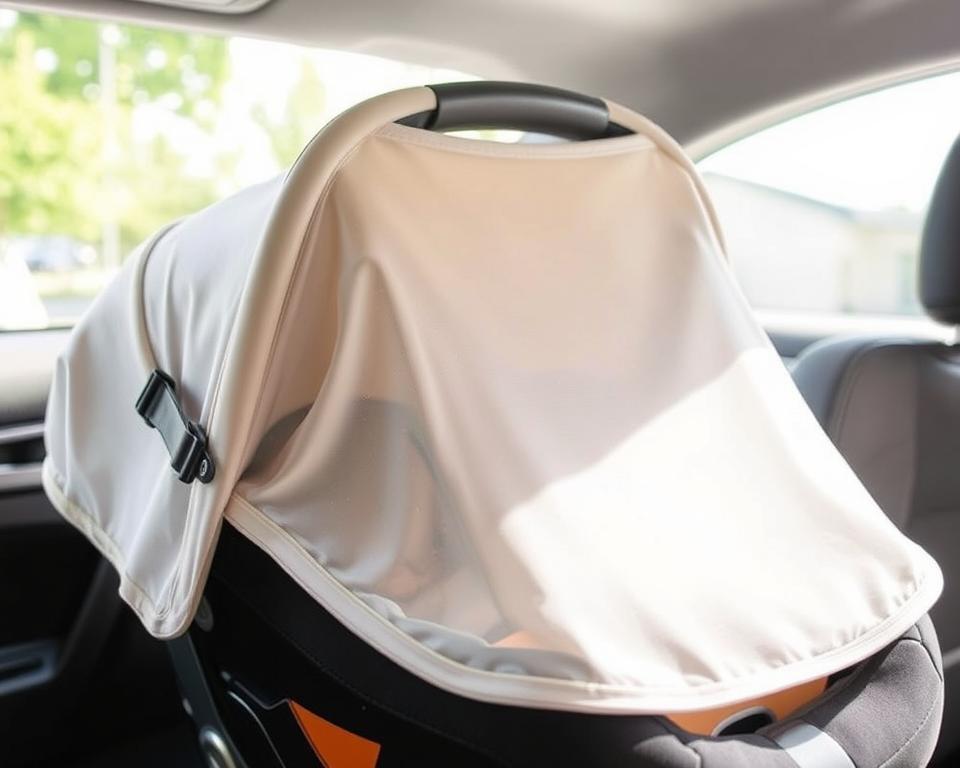
Choosing the right baby car seat accessories makes travel better for everyone. They protect babies from the sun, make airport trips easier, and keep drinks and snacks handy on long drives.
Canopies and Sunshades
A car seat canopy keeps the sun away and makes a cozy nap spot for babies. It also stops overheating and glare. This is great for sensitive eyes.
Many parents use canopies with travel systems like Doona. When shopping, make sure the fabric breathes and protects from UV rays. This keeps the baby cool and shaded.
Travel Bags and Covers
A travel bag for car seats keeps them safe during flights and bus rides. Lightweight covers are good for short trips. Padded bags protect against damage on longer trips.
Doona’s design makes travel easier, but a protective bag still helps avoid scuffs. Look for bags with wheels and carry straps for easier handling.
Cup Holders and Snack Tray Options
A car seat cup holder is handy in the convertible and booster stages. Snack trays attach to seats or strollers and catch spills.
Choose holders and trays that fit your car seat model. They should not get in the way of harnesses or doors. Easy-to-clean materials make maintenance a breeze.
For a list of useful add-ons and a car seat mirror guide, check out this article from KeaBabies: car seat accessories guide.
| Accessory | Primary Benefit | Best For | Notes |
|---|---|---|---|
| Car seat canopy | Sun protection and privacy | Infant seats and travel systems | Check UV rating and airflow panels |
| Travel bag for car seat | Protection during transit | Air travel and long-distance transfers | Wheeled, padded options ease handling |
| Car seat cup holder | Hands-free drink access | Convertible and booster seats | Confirm compatibility with seat model |
| Sun shield/window shades | Reduce heat and sun exposure | All ages for rear-seat comfort | Simple suction or cling designs work well |
| Toy storage tote | Organization and easy reach | Active toddlers and long trips | Secure attachment prevents falling |
| Car organizer | Accessible storage for essentials | Parents who carry gear for outings | Multiple pockets for wipes, snacks, diapers |
Traveling with a Baby in Car Seats

Traveling with an infant requires careful planning. This guide covers tips for long drives and flying, and how to prevent motion sickness. It focuses on safe installation, comfort, and reducing fussiness for a stress-free journey.
Long Road Trips: Preparation Tips
Make stops every 1.5 to 2 hours for feeding, changing, and playtime. Pack diapers, wipes, extra clothes, snacks, and a first-aid kit. Before you leave, test the car seat and adjust the harness for a snug fit.
Choose a car seat with breathable fabrics and adjustable recline for naps. Graco and Nuna offer travel systems that make strolling and car travel easy. Bring a white-noise device and familiar toys to help your baby sleep during long trips.
Air Travel with Car Seats
Check the size of your seat before flying with a car seat. The FAA allows car seats with harnesses on seats with a child’s ticket. Nuna’s lightweight, baseless seats are easy to gate-check.
Use a padded bag to protect your seat when checking it. Doona’s stroller-seat combo is convenient, but its weight can be a challenge in airports.
Avoiding Car Sickness
Ride rear-facing as long as possible to prevent car sickness. Keep the air fresh and avoid eating heavy meals before traveling. Use breaks for walks and gentle pacing to ease queasiness.
Ensure the seat reclines comfortably and the harness fits well. A secure position helps prevent nausea. If car sickness persists, talk to a pediatrician for advice and safe remedies.
Transitioning Between Different Car Seats
Switching from an infant carrier to a bigger seat is a big step in keeping your child safe. It’s important to move based on weight, height, and when they’re ready. This ensures they stay protected as they grow.
Deciding when to switch to a convertible car seat depends on the infant carrier’s limits and your child’s growth. Families often start with the Graco SnugRide or Chicco KeyFit for the first months. Then, they move to seats like the Graco Extend2Fit or Diono Radian when the child gets bigger. It’s best to keep them in a rear-facing seat until the new seat’s limits are reached.
When moving seats, focus on correct installation and harness placement. Always follow the maker’s instructions for harness height and chest clip placement. Also, register each seat for recall alerts and check the installation after any car change.
Guidelines for moving to a booster seat include using a forward-facing harnessed seat until the child meets certain height and weight criteria. A harnessed convertible seat can help bridge the gap before moving to a booster. Make sure the vehicle seat belt fits the child properly before switching.
Keeping your child comfortable during seat changes helps reduce stress and fussing. Choose seats with plush padding, breathable fabrics, and adjustable recline. Use familiar inserts or head supports for a smooth transition while keeping nap routines intact.
| Stage | Typical Age/Size | Popular Models | Key Tips |
|---|---|---|---|
| Infant Carrier | Birth to ~22–35 lbs, depending on model | Graco SnugRide, Chicco KeyFit | Use rear-facing only; check shell limits and harness fit |
| Convertible Rear-Facing | From outgrowing infant shell to rear-facing limit (~40–50 lbs) | Graco Extend2Fit, Diono Radian | Keep rear-facing as long as possible; adjust harness and recline |
| Forward-Facing with Harness | After rear-facing limits up to harness max (~40–65 lbs) | Maxi-Cosi Pria, Nuna RAVA | Use top tether if available; follow height and weight limits |
| Belt-Positioning Booster | When seat belt fits properly; often 4–8 years and up to 57 inches | Britax, Graco boosters | Follow booster transition guidelines; ensure lap and shoulder belt fit |
- Register seats for recalls and keep manuals accessible.
- Consult baby car seat reviews for real-world comfort feedback.
- Schedule periodic installation checks at local fitting stations.
Common Mistakes Parents Make
Parents always want the best for their kids. Yet, some common mistakes can put their safety at risk. This guide will show you what these mistakes are and how to avoid them.
Incorrect Installation
One big mistake is installing car seats wrong. Seats with loose LATCH attachments or the wrong belt path don’t keep kids safe. To fix this, tighten the base until it barely moves at the belt path. Also, get a CPST inspection if you’re unsure.
Make sure to check the seating angle markers and follow the belt routing in your car’s manual. Even small adjustments can make a big difference in safety during sudden stops.
Not Following Manufacturer Guidelines
Ignoring the car seat manufacturer guidelines is another big mistake. Using stroller adapters from other brands or changing modes without reading the manual can lead to unsafe setups. Brands like Graco, Nuna, and Doona have clear instructions for their products.
Always read the label on the seat and your car’s manual before making any big changes. This helps avoid mistakes and keeps the installation safe.
Outgrowing the Seat Too Soon
Switching a child to a forward-facing seat too early is a mistake. It weakens the protection offered by a rear-facing seat. This happens when caregivers move to a convertible or forward-facing seat before the child reaches the weight or height limit.
Keep track of your child’s weight and height against the seat’s limits. Consider using extended-range convertible seats to delay the need for a new seat and keep your child safer for longer.
Conclusion: Making the Right Choice for Your Family
Choosing the best baby car seat is about safety, comfort, and fit for daily life. Look for seats with top safety ratings and easy installation guides. Make sure the seat fits your child now and will in the future. Compare seats from Chicco, Graco, Nuna, Britax, and Evenflo for the best value.
Before buying, read reviews and try out seats in your car. Check the NHTSA data and crash-test results. Also, listen to what other parents say to find a safe and affordable seat.
Travel systems like Doona and Nuna PIPA offer convenience but may be heavier and bulkier. Always check for recall alerts and follow the manufacturer’s expiration dates. If you’re unsure about installation, get help from a professional. This advice helps U.S. parents make a smart choice that keeps their kids safe and comfortable.
FAQ
What is the difference between an infant car seat and a convertible car seat?
Infant car seats are for newborns and small babies. They are designed to face the rear and hold 4–35 lbs. They also fit into strollers for travel systems. Convertible car seats are bigger and last longer. They can face both ways and hold more weight.
Parents pick infant seats for their portability. Convertible seats are chosen for their long-term use.
Which brands are top-rated for safety and comfort?
Safe and comfy brands include Chicco, Nuna, Britax, Graco, and Maxi‑Cosi. UPPAbaby, Diono, Evenflo, Joie Baby, and Doona are also good. Chicco and Nuna are known for their safety and comfort.
Graco and Evenflo offer affordable options that are safe when installed right.
How do I know if a car seat fits my vehicle?
Try the seat in your car before buying. Check if the seat belt fits and if the LATCH anchors work. Make sure the base reclines right.
Measure the back seat for three seats across. Check if the stroller fits with the car seat. Your car manual shows where to put the seat belt and LATCH anchors.
Many stores let you try out the seat or get help from a certified expert.
Is a baseless car seat like Doona safe and practical?
Yes, baseless seats like Doona are safe when used right. They are easy to move around. But, they can be heavy and might not fit in all cars.
They are great for people who need to move around a lot. But, think about how heavy they are and how you use them every day.
What are the most important safety features to look for?
Look for side-impact protection and energy-absorbing foam. A secure harness and clear indicators are key. Make sure it meets FMVSS 213 standards.
Easy LATCH connectors and belt paths are important. Check crash-test results and NHTSA ratings to compare.
Should I use LATCH or the vehicle seat belt to install the car seat?
Both LATCH and seat belts are safe if done right. LATCH is easier to move around. But, it has weight limits for the seat and child together.
Use the seat belt for heavier kids or when LATCH limits are hit. Always follow the car seat’s instructions and check for movement after tightening.
How do I ensure the harness fits properly?
Shoulder straps should be at or below the shoulders. The chest clip should be at armpit level. Tighten the harness until you can’t pinch webbing at the shoulder.
Use newborn inserts for small babies. Check the harness fit every time you use the seat as your baby grows.
When should I switch from an infant seat to a convertible seat or booster?
Switch when your child outgrows the infant seat. Keep them rear-facing as long as possible in a convertible seat. Move to a booster when they outgrow the forward-facing harness and the vehicle belt fits right.
How often should I check and maintain my car seat?
Check the seat often for loose parts, frayed straps, or damage. Clean removable covers as directed. Register the seat for recall notices.
Replace or stop using seats that are expired or have been in a crash. Always check the installation and harness before each use.
What does a car seat expiration date mean and why does it matter?
The expiration date shows when the seat’s materials and safety standards may no longer be good. Using an expired seat can be dangerous. The date is on the seat’s shell.
Avoid used seats without a clear history. Always check the expiration date.
Are premium seats always safer than affordable models?
No, not always. Premium seats like Nuna Pipa RX offer extra features but are not always safer. Many mid-range seats from Graco, Chicco, and Evenflo are safe when installed right.
Choose based on safety ratings, ease of use, and fit for your child and car. Don’t just look at the price.
What comfort features should I prioritize for long trips?
Look for adjustable recline, breathable fabrics, and supportive inserts. Removable padding that can be washed is a plus. Good canopy coverage helps with naps and sun protection.
Seats like Chicco KeyFit 30 and Nuna Pipa are known for comfort.
Can I use a car seat on an airplane?
Yes, the FAA allows car seats with approved harnesses on planes. Make sure the seat fits the plane’s seat. Lightweight, compact seats and travel bags make airport travel easier.
Doona’s integrated stroller makes airport travel simpler. But, check airline rules and the seat’s weight for lifting.
Are used car seats safe to buy secondhand?
Be cautious. Avoid seats with unknown crash history or missing labels. Make sure it’s not expired and has all parts and manuals.
If unsure, buy new or get a certified expert to check it.
How do I pick between a travel system, infant seat + stroller, or a convertible seat?
Choose based on your lifestyle. Travel systems like Graco and UPPAbaby are great for easy transfers. Infant seats with strollers are light and easy to use for newborns.
Convertible seats are cost-effective for long-term use. Think about your car space, travel frequency, budget, and whether you prefer a long-term solution or staged purchases.
Where can I find reliable car seat reviews and installation help?
Check NHTSA ratings, independent lab tests, and parent reviews on Target, Amazon, Walmart, and specialty stores. Manufacturer sites have manuals and compatibility info.
For hands-on help, find a certified child passenger safety technician (CPST) or use store demo installations and local inspection events.