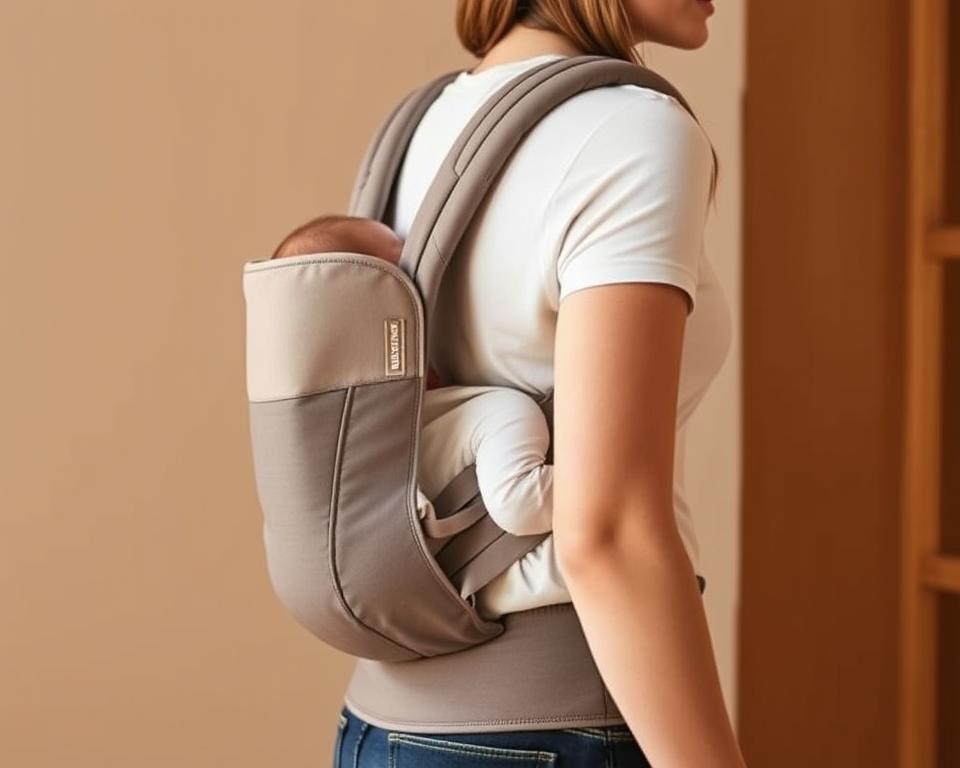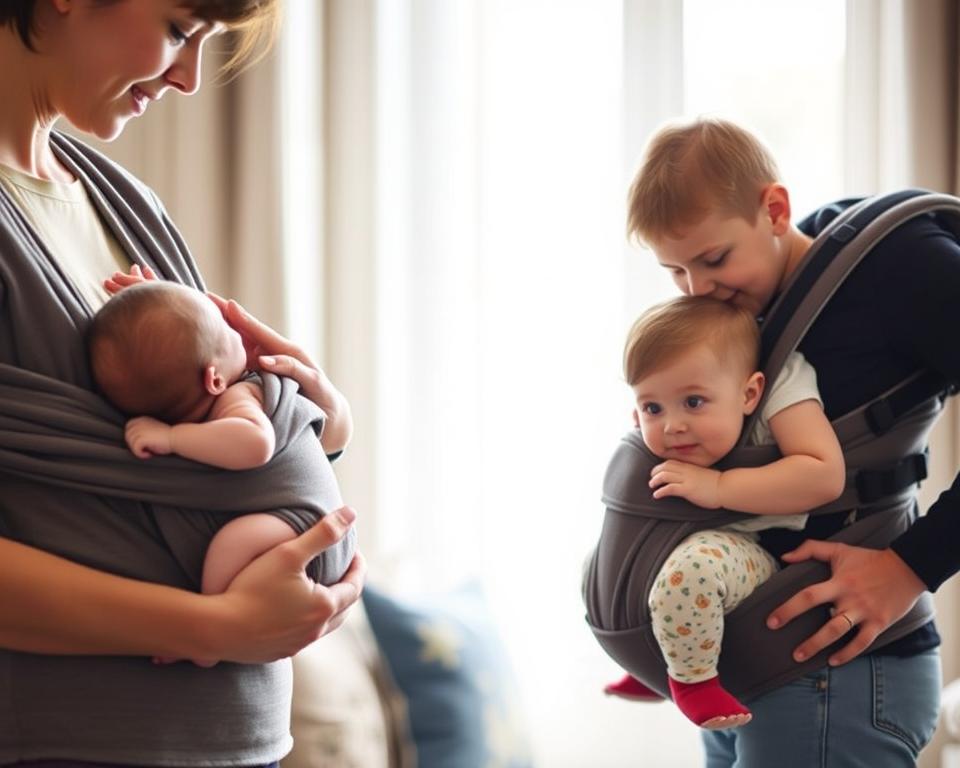
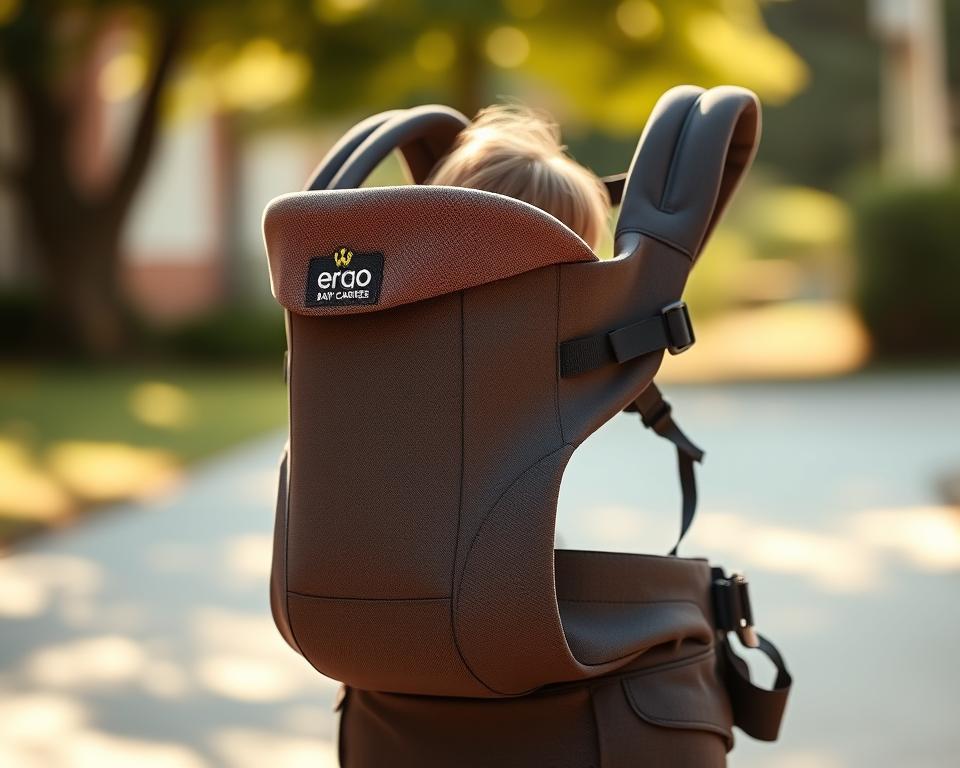
Comparing Comfort and Ergonomics.

ERGO BABY CARRIER

Which carrier will keep our backs happy on a full day out: the structured support of an ERGO BABY CARRIER or the softer hug of brands like Tula and Boba?

We begin by looking at core design choices that shape comfort and posture. ERGO Baby Carrier models—Original, Omni 360, and Adapt—use wide, padded waistbands, lumbar support, and a structured seat to keep babies in the M-position recommended by pediatric experts. That structure spreads weight to the hips and reduces shoulder strain during long hikes or errands.

Tula and Lillebaby take different routes: Tula favors a softer, form-fitting feel that many parents find cozy for short outings, though it sometimes needs an infant insert for newborns. Lillebaby competes strongly on lumbar support and adjustability, offering multiple carry positions and a height/width panel that customizes fit as a baby grows.

BabyBjörn and Boba occupy distinct niches. BabyBjörn’s narrower seat can feel less hip-friendly over long wear, while Boba provides affordable, soft-structured options that support front and back carries but often lack ERGO’s pronounced lumbar padding.

In practical terms, ERGO’s combination of a structured seat and broad waistband generally wins for extended use, especially for parents prioritizing back health and long-wear comfort. We’ll weigh these trade-offs against portability, softness, and price in the next sections, and you can find more carrier comparisons and user insights at this helpful guide on baby carriers here.

Key Takeaways

  • ERGO BABY CARRIER excels at weight distribution with a wide waistband and lumbar support.
  • Tula offers a softer, more form-fitting comfortable infant carrier ideal for short trips.
  • Lillebaby rivals ERGO on lumbar support and wins on adjustability for growing babies.
  • BabyBjörn’s narrower seat may be less suited for long-term babywearing comfort.
  • Boba gives budget-friendly, soft-structured options but often lacks robust lumbar padding.
  • For newborns, ERGO’s adjustable seat or insert provides reliable hip-healthy positioning.

Price Comparison: Which Brand Offers the Best Value for Money?

We look at price ranges, long-term value, and material differences to help readers compare options. Upfront cost matters, but we weigh it against expected lifespan, included accessories, and resale value. That perspective changes what “best” means for a family planning to use a carrier daily versus someone who needs it occasionally.

Retail pricing places ERGO BABY CARRIER models in the mid-to-high tier, typically $120–$200 depending on features. Tula and Lillebaby sit in a similar band. BabyBjörn can be mid-range with some premium models above that. Boba and Infantino aim at budget shoppers, often selling between $60–$130. We factor those numbers into cost-per-wear estimates.

Material and Durability: What Sets Ergo Apart?

ERGO uses woven cotton blends with reinforced stitching at stress points and sturdy buckles. That combination resists deformation and holds up through repeated daily use. Some ERGO models include breathable mesh panels, such as the Omni 360 Cool Air Mesh, which help in hot weather.

The padded waistbands on ERGO carriers are thicker than on many budget options. That padding reduces pressure for parents carrying toddlers for long periods. We note that this design mimics the support of a baby carrier with hip seat without requiring a detachably built hip seat accessory.

Comparing construction, Lillebaby offers similarly robust stitching and multiple support features. Tula favors softer fabrics that can show wear differently but remain reliable. Lower-cost carriers from Infantino and some Boba variants may use thinner padding and simpler buckles. Those trade-offs can lower initial cost but raise the chance of earlier replacement.

Brand Typical Price Range Material Highlights Durability Notes
ERGO BABY CARRIER $120–$200 Woven cotton blends, reinforced stitching, padded waistband, mesh options High; strong resale value and long service life with daily use
Lillebaby $120–$200 Multiple support panels, durable fabrics, reinforced seams High; robust design for extended use
Tula $120–$180 Soft fabrics, comfortable padding, classic designs Good; fabric may show wear differently but remains functional
Boba $60–$130 Simple woven fabrics, basic buckles, lightweight Moderate; budget models may require earlier replacement
Infantino $60–$100 Basic padding, entry-level buckles, lightweight materials Lower; designed for occasional use rather than daily wear

Value metrics include initial price, included accessories, warranty length, and lifespan. ERGO typically ships with features such as infant inserts or hoods on select models, which can reduce add-on costs. That detail affects overall value for families who need a baby carrier for newborn use through toddler stages.

In practical cost-per-wear math, higher upfront investment in an ERGO BABY CARRIER can pay off for frequent users. Durability, comfort, and resale value lower the effective cost across multiple children. For parents who plan short-term or rare use, budget carriers remain a viable choice.

We present these comparisons so readers can judge trade-offs. Price is one part of value. Material quality and long-term durability shape whether a purchase truly saves money over time.

Ease of Use and Adjustability

We start by looking at how quickly caregivers can learn babywearing routines with popular carriers. ERGO BABY CARRIER models like the Omni and Adapt use multiple buckle points, an adjustable waistband, and shoulder sliders to fit a wide range of body types. That design often removes the need for an infant insert on certain models and lets parents switch between front, hip, and back carries without major rethreading.

We compare that to other brands to show practical trade-offs. Tula gets praise for a simple, intuitive fit and fewer adjustments, yet it can require an insert for newborns. Lillebaby lets you fine-tune almost every strap, giving a very custom fit but adding a learning curve. BabyBjörn keeps buckles straightforward but may not match the ergonomic breadth of ERGO. Boba gives solid hands-free support but can feel less adaptable for varying torso lengths.

User Reviews and Ratings: What Do Parents Really Think?

We compiled ratings across Amazon, BuyBuy Baby, and REI to summarize parent sentiment. ERGO, Tula, and Lillebaby consistently average between 4.0 and 4.8 stars. ERGO stands out for long-wear comfort and lumbar support, making it a favorite for a baby carrier for hiking and long walks.

Parents frequently praise ERGO for secure structure and back support during hikes. Common negatives mention initial setup complexity and a bulkier feel for travel. Tula reviews highlight softness and style. Lillebaby feedback emphasizes adjustable support for different bodies. Budget carriers earn mixed comments: fine for short errands but less suited to all-day wear.

We list real-world ease-of-use steps that parents share as helpful. For a typical ERGO front carry, buckle the waistband, position the baby, then secure shoulder straps in cross or backpack style. Tighten the lumbar strap before longer outings to keep weight centered.

Feature ERGO BABY CARRIER Tula Lillebaby BabyBjörn
Adjustment Complexity Moderate; multiple buckles, sliders Low; simpler setup High; many fine-tune points Low; basic buckles
Fit Range Wide; fits taller and plus-size caregivers Medium; may need insert for newborns Wide; highly customizable Limited; best for average torsos
Comfort for Long Wear High; strong lumbar support High; soft and cushioned Very High; exceptional back support Medium; less ergonomic on long trips
Travel Friendliness Medium; can be bulky High; lighter and compact Medium; adjustable but larger High; simple and compact
Best Use Case Everyday wear, baby carrier for hiking Style-oriented daily use Custom fit and long-haul support Quick errands and short outings

We note fit differences for varied bodies. ERGO’s adjustable sizing tends to suit taller and plus-size caregivers better than some rivals. Petite caregivers sometimes report excess fabric unless they cinch straps. Trying carriers in store or practicing at home can reduce frustration.

We recommend a few practical tips before hitting trails or errands: practice donning the carrier a few times, use a mirror or video to check the baby’s M-position, tighten the waistband before lifting your child, and, when possible, demo a comfortable infant carrier in person to test torso and height fit.

Warranty and Support Options

We look at warranty length, return windows, and customer support responsiveness to help readers choose the best baby carrier for long-term use. ERGO BABY CARRIER typically carries a two-year limited warranty that covers manufacturing defects, which mirrors policies from brands like Tula and BabyBjörn.

Return policies vary by retailer. Buying from ERGO’s official site, Amazon, or specialty stores often gives a 30–90 day return window. We recommend keeping receipts and registering products when offered to streamline any warranty claim or return process.

Customer support matters when fitting or troubleshooting a carrier. ERGO Customer Care offers direct help, fitting guidance, and video tutorials. Lillebaby and Tula are known for strong customer support as well. Smaller or budget brands may have shorter warranties and more limited help options.

Replacement parts extend a carrier’s useful life. ERGO sells buckles, infant inserts, storage pouches, and hoods, which boosts resale value and reduces waste. Tula and Lillebaby offer accessories and some spare parts. Lower-cost carriers often lack this level of parts availability.

Community resources add practical value. Large parenting groups and babywearing forums share quick fixes and adjustment tips for baby carrier for toddlers and infants. These peer networks often speed problem solving when official customer support has wait times.

We advise purchasing from authorized retailers to protect warranty validity. Keep proof of purchase, register the carrier where possible, and note return windows. These steps reduce ownership risk and make it easier to get parts or service when needed.

Brand Warranty Length Return Window Replacement Parts Customer Support Notes
ERGO BABY CARRIER 2 years (limited) 30–90 days (retailer dependent) Buckles, inserts, hoods, pouches Active help center, videos, retailer demos
Tula 2 years Varies by seller; often 30 days Selected accessories and parts Reputable support and community guides
Lillebaby 2 years Seller dependent; often 30 days Accessories available Strong support reputation and fitting help
BabyBjörn 2 years Varies by retailer Limited parts from some sellers Good documentation; policies differ by store
Budget Brands 6 months–1 year common Shorter windows or final sale Often limited or unavailable Customer support may be minimal

Versatility and Different Carrying Positions

Can one carrier truly replace a stroller, a hip seat, and a hiking frame all at once?
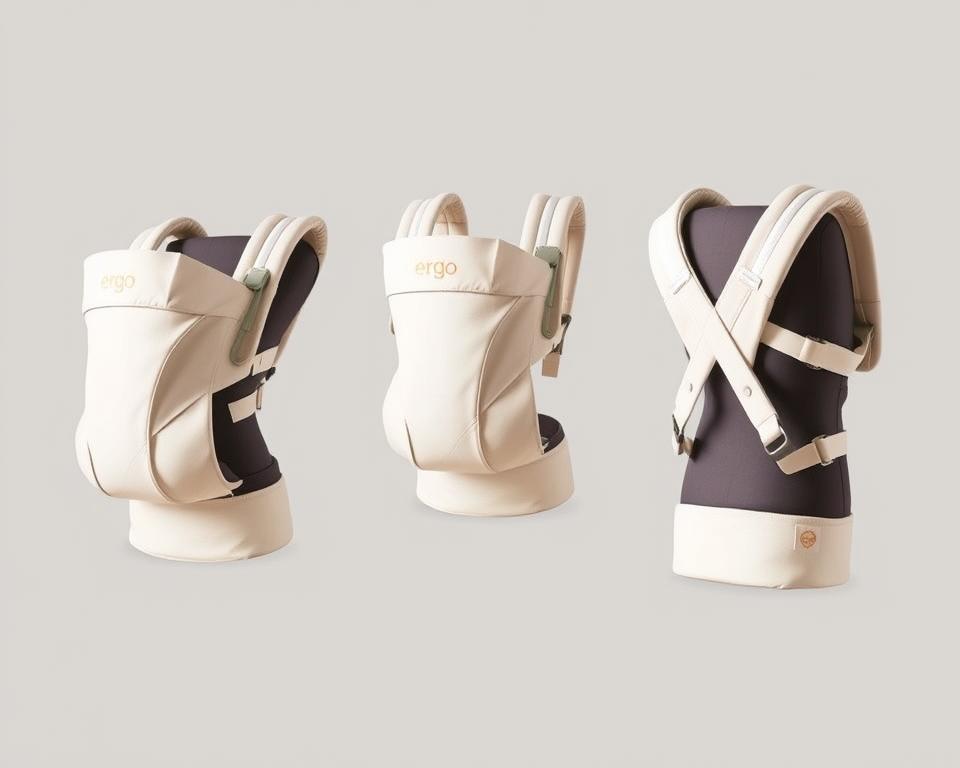
A sleek and modern Ergo Baby Carrier in a crisp white color, showcased against a soft gray background. The carrier is displayed from multiple angles, highlighting its versatile design and different carrying positions - facing in, facing out, and on the back. Carefully crafted with plush padding and ergonomic support, the carrier is illuminated by warm, natural lighting, conveying a sense of comfort and practicality. The image captures the carrier's thoughtful features, such as adjustable straps, padded shoulder supports, and a supportive waistband, making it an ideal choice for parents seeking a high-quality, versatile babywearing solution.

We dive into how ERGO BABY CARRIER and its rivals handle front inward, front outward, hip, and back carries so you can judge real-world flexibility.

ERGO models like the Omni 360 and Adapt let us move from newborn to toddler with minimal fuss, often without an infant insert, and they give an outward-facing option for short, curious moments.

For parents eyeing a baby carrier with hip seat convenience, ERGO’s wide, structured waistband mimics that sit-and-go feel, though a true detachable hip seat or a hybrid from brands like Chicco may be faster for quick outings.

When we plan long walks or aim for a baby carrier for hiking, ERGO’s padded waistband, lumbar support, and sturdy buckles strike a strong balance between comfort and packability; framed backpacks still win for multi-day treks, but ERGO is a top soft-structured day-hike pick.

Competitors differ: Lillebaby offers more positions on some models, Tula is simple and comfy but may need inserts for newborns, and BabyBjörn limits outward-facing carries in favor of ergonomics. We recommend checking each model’s insert and weight specs before choosing.

Because some ERGO carriers expand seat width and panel height, they grow with your child and often stretch use into the toddler years — reducing the need for an extra purchase as your child reaches toddler size.

Key Takeaways

  • ERGO BABY CARRIER offers multiple carry positions that cover newborn to toddler stages in many models.
  • For quick hip-seat convenience, consider a dedicated hip-seat or an ERGO accessory.
  • ERGO works well as a baby carrier for hiking on day trips thanks to lumbar support and a strong waistband.
  • Compare insert requirements—some carriers need infant inserts while others are newborn-ready.
  • Adjustable seat width and panel height extend usable life into toddlerhood, saving money long term.

Final Verdict: Which Brand Should You Choose?

After weighing comfort and ergonomics, price, ease of use, warranty, and versatility, we find the ERGO BABY CARRIER to be the best baby carrier for most families. Its lumbar support and balanced weight distribution make it a comfortable infant carrier for long wear, whether hiking or handling busy days with a toddler. The Omni 360 and Adapt models stand out for adaptable fits that grow with your child.

We also note value over time: ERGO’s materials and warranty justify a higher upfront cost compared with budget picks. Tula offers softer fabrics and strong style appeal, making it ideal for shorter outings and parents focused on aesthetics. Lillebaby delivers the most adjustability, which helps when many caregivers of different sizes will use the carrier.

For families on a tighter budget, Boba and Infantino are practical options for occasional babywearing, though they trade off long-term comfort and durability. If quick toddler seating is a priority, a hip-seat carrier can be the right tool. We recommend testing fit in-store when possible, considering how often you’ll wear your child, and checking whether you need a newborn insert.

In short, our pick for most households is the ERGO BABY CARRIER for its blend of ergonomic support, versatility, and long-term value. Other brands like Tula, Lillebaby, Boba, and Infantino have clear strengths for specific needs, but ERGO delivers the best overall balance for parents who plan to wear their child frequently across a range of activities.

FAQ

How does ERGO Baby Carrier compare to Tula, Lillebaby, BabyBjörn, and Boba for comfort and ergonomics?

We find ERGO Baby Carrier excels at long-wear comfort thanks to its wide, padded waistband, lumbar support, and a structured seat that maintains the infant M-position. Lillebaby rivals ERGO on lumbar support and adjustability. Tula feels softer and more form-fitting for short outings but often needs an infant insert for newborns. BabyBjörn tends to have a narrower seat that can be less hip-friendly for extended wear. Boba is an affordable, soft-structured option but typically lacks ERGO’s reinforced lumbar padding and structured hip support.

Can ERGO carriers support newborns without an infant insert?

Some ERGO models—like select Omni 360 and Adapt configurations—are designed to be newborn-ready thanks to adjustable seat width and panel height. Other models may require an infant insert for very small pre-sitters. We always recommend checking the specific model’s manual and confirming proper head and neck support for pre-sitters to ensure hip-healthy positioning.

Which carrier is best for hiking and long outings?

For day hikes and extended wear, we prefer ERGO because the wide waistband and lumbar support reduce back strain. Lillebaby is a strong alternative with robust lumbar features. For serious, multi-day trail use, framed hiking carriers remain superior, but ERGO’s soft-structured carriers are an excellent balance of comfort, breathability (in mesh models), and packability for most families.

How does ERGO’s price and durability compare to competitors?

ERGO sits in the mid-to-high price range (0–0 depending on model) but offers strong value through durable materials, reinforced stitching, sturdy buckles, and higher resale value. Tula and Lillebaby occupy similar tiers. Budget brands like Boba (certain models) or Infantino cost less up front but often use lighter padding and buckles, which can reduce long-term comfort and lifespan.

What should we expect for warranty, returns, and replacement parts with ERGO?

ERGO Baby typically provides a two-year limited warranty covering manufacturing defects. Return windows vary by retailer but commonly range from 30 to 90 days. ERGO also sells replacement parts—buckles, hoods, infant inserts—and offers customer support, tutorials, and retailer demos. These services improve longevity and buyer confidence compared with many budget alternatives.

How easy are ERGO carriers to put on and adjust for different body types?

ERGO Omni and Adapt models have multiple buckle points, adjustable waistbands, and shoulder strap sliders that fit a broad range of body shapes, including taller and plus-size caregivers. There’s a modest learning curve—especially for cross-back or backpack-style carries—but once we practice at home, adjustments become quick. Petite caregivers may need more cinching for a snug fit.

Do ERGO carriers offer multiple carrying positions and toddler support?

Yes. Many ERGO models support front-inward, front-outward (on select models), hip, and back carries. Adjustable seat width and panel height extend usability into toddlerhood; some Omni models list higher weight limits (up to around 45 lbs on specific versions—check the model specs). While ERGO doesn’t always include a detachable hip seat, its structured waistband provides hip-seat-like weight distribution for toddler carries.

Is ERGO a good choice for parents who plan to babywear frequently?

We recommend ERGO for frequent babywearers because of its ergonomic design, lumbar support, and durable construction. The upfront cost is higher than budget options, but cost-per-wear and resale value usually justify the investment for daily use, hiking, or carrying toddlers over long periods.

How do we choose between ERGO, Tula, and Lillebaby based on priorities?

If long-wear ergonomics and lumbar support are top priorities, we pick ERGO (Omni 360 or Adapt). If style, softness, and ease for short outings matter most, Tula is attractive. If maximum adjustability for multiple caregivers is key, Lillebaby is ideal. Budget-minded families who wear carriers only occasionally may consider Boba or Infantino but should expect trade-offs in comfort and longevity.

What practical tips do you recommend for safe, comfortable babywearing with any carrier?

We advise practicing at home first, tightening the waistband before lifting the baby, and checking that baby’s hips are in the M-position with knees above hips. Use a mirror or ask someone to confirm head and neck support for pre-sitters. Register the product when offered, keep receipts for warranty claims, and demo carriers in-store when possible to confirm torso fit and comfort for both caregiver and child.


THE ULTIMATE PERFECTION OF COMFORT TO YOUR BABY

BABY CARRIER

Baby Carrier Harmony and leading alternatives balance ergonomics with everyday practicality. This expert roundup highlights lightweight, ergonomic options that pack easily into a stroller or diaper bag while keeping closeness and mobility.

The selection emphasizes pressure-relieving features: a padded waist belt, cushioned shoulder straps, and padded back support that move load from shoulders to hips. Materials meet strict standards such as Oeko‑Tex or bluesign, and many models comply with EN or ASTM safety norms.

Readers will find clear categories — wraps, ring slings, structured designs, and hip-seat solutions — to match different needs preferences and activity levels for little ones. The guide compares age and weight ranges so families can pick a product that grows with the child, from newborns through toddler stages.

Practical details like adjustability, newborn head support, and breathable fabrics are called out to help caregivers feel safe and confident on daily errands or longer outings.

Key Takeaways

  • Ergonomic design and a strong waist belt reduce strain and improve comfort.
  • Soft fabrics and close skin contact support bonding and daily wear.
  • Options range from wraps for flexible fit to structured models for quick use.
  • Certified materials and tested standards underline safety and durability.
  • Weight and age ranges help pick a carrier that adapts as the child grows.

Why This Product Roundup Matters for Parents Right Now

This product roundup responds to how modern families juggle errands, commutes, and short trips with a little one.

It focuses on practical features that save time and reduce stress. Picks highlight breathable mesh, lumbar or padded back support, and adjustable head support. Several options are machine washable and designed for quick setup and compact packing.

Safety and comfort are central. Materials meet certified-safe standards and encourage airflow while keeping proper head positioning. Structured waist systems and supportive back panels spread weight across the body to cut fatigue on walks and chores.

“The best selections balance portability, ease of use, and proven ergonomic support for everyday life.”

  • Practical adjustments and intuitive buckles help a parent deploy the product fast.
  • Style-forward textiles pair form with function for travel and city living.
  • Options range from highly adjustable to purpose-built, reducing the need for repeat purchases.

Objective criteria and clear language simplify comparisons so readers can match specs to immediate day-to-day benefits and choose a reliable, versatile solution.

Quick Guide to Baby Carrier Types and When to Use Them

Parents benefit from a quick, practical rundown of carrying styles to match daily routines and growth stages.

Wraps: A wrap baby offers close skin contact and a snug, custom fit ideal for newborns. Models like MOBY use soft, breathable fabric and spread weight across the torso for extended comfort.

Ring Slings: These slip-on designs give fast on/off access and micro-adjustment with rings. They work well for discreet breastfeeding and quick transfers between caregivers.

Front‑Facing Carriers: Best after stable neck and back control—often around five months for some infants. Limit forward-facing sessions early and monitor fit and comfort closely.

Convertible Designs: Multi-position models adapt from front-in to front-out and back carry. Adjustable seat width and panel height help maintain a good fit as growth changes needs preferences.

Hip Seat Options: Hip-seat solutions, such as some Bear 6‑in‑1 models, add a platform for frequent ups and downs. They reduce arm strain for parents and keep little ones supported during quick transitions.

Type Best For Key Feature Notes
Wraps Newborns, bonding Even weight distribution Soft fabrics, inward-facing support
Ring Slings Quick trips, breastfeeding Micro-adjust rings Fast on/off, one-shoulder wear
Front‑Facing Older infants Forward view option Use after neck/back control
Hip Seat Toddlers, active parents Structured platform Good for frequent ups/downs

Fit and adjustability matter across types: shoulder straps, seat width, and lumbar support all affect comfort for wearer and child. For a deeper comparison, consult the best baby carrier guide.

Safety First: Certifications, Standards, and Hip-Healthy Design

Objective certifications and a deep‑seat design guide parents toward choices that protect hips and posture. Recognition from the International Hip Dysplasia Institute signals an M‑leg seat that supports natural hip development and spinal alignment.

A modern, high-tech facility featuring the ECOMMERCE Hip Dysplasia Institute, with clean lines, glass facades, and a welcoming entrance. In the foreground, a group of parents and children interact with educational displays. The middle ground showcases ergonomic examination rooms and medical equipment, all designed with a focus on patient comfort and safety. The background features a serene, landscaped outdoor area, promoting a soothing, family-friendly atmosphere. Warm, natural lighting illuminates the scene, conveying a sense of professionalism and care. The overall composition emphasizes the institute's commitment to providing the ultimate in hip-healthy design and certified standards for the well-being of young patients.

Materials matter. Textiles certified to Oeko‑Tex Standard 100 or bluesign Grade A reduce exposure to harmful substances and make fabrics safe for skin and taste contact.

Structural safety is equally important. Compliance with EN 13209‑2 or ASTM F2236 confirms testing for load, durability, and restraint integrity across common use scenarios.

  • Hip‑healthy fit: A deep seat with adjustable leg position encourages the proper M‑position—thighs supported knee‑to‑knee.
  • Head support: Flexible, multi‑height panels protect airways and cervical alignment in early stages.
  • Routine checks: Verify buckles, webbing, and fabric before each use to keep the carry safe secure and reliable.

Follow manufacturer age and weight guidance and use proper donning to protect the wearer’s back and keep consistent support for the child.

Ergonomics That Keep Baby and Parent Comfortable

Good ergonomics start with clear, adjustable support where the infant meets the caregiver. This common-sense approach combines structured neck positioning, load transfer, and multi-point adjustments to protect posture and promote safe airway alignment.

Head and neck support for newborns with adjustable positions

Structured neck support in three positions helps keep a neutral airway while neck control develops. Caregivers can raise or lower the panel for supervised naps and quick activity shifts.

Padded shoulder straps, waist belt, and back support to distribute weight

Padded shoulder straps pair with a pressure-relieving waist belt and padded back support to move weight from shoulders to hips. This balanced transfer reduces hotspots and shoulder fatigue during longer outings.

A sleek and ergonomic ECOMMERCE baby carrier, designed to keep both parent and child comfortable. A softly padded back panel and adjustable straps provide optimal weight distribution, while a contoured seat cradles the baby in a natural sitting position. Gentle curves and muted tones create a soothing, natural aesthetic. Warm, indirect lighting from the side highlights the carrier's clean lines and premium materials, capturing the essence of comfort and practicality. The image showcases the carrier's thoughtful design, inviting the viewer to imagine the security and ease it would bring to the parent-child experience.

Adjustable seat, leg position, and height settings for a custom fit

Multi-point adjustments—seat width, leg position, and two height settings—create an individualized fit for a growing baby. A deep, M‑position seat preserves healthy hip alignment and stays useful as weight and height increase.

  • Ergonomic wraps like the MOBY distribute weight across back and hips for broad comfort and size-inclusive fit.
  • Stable load transfer maintains center-of-gravity control and reduces lumbar sway that causes fatigue.
  • Breathable fabrics with targeted padding limit moisture buildup while keeping cushion where it matters most.

Carrying Positions by Age and Stage

Position choices evolve with development—each stage calls for specific support, fit, and monitoring.

Newborn facing-in for closeness and supervision

Front-in carry supports newborns with snug head and neck support. It keeps the child visible to the parent and reduces airway risk during early months.

Facing-out once neck control develops

Facing-out is suitable once neck and trunk control are steady, often around five months. Short, supervised sessions let the infant explore while maintaining proper leg position and hip support.

A cozy and intimate scene showcasing diverse baby carrying positions. In the foreground, a parent gently holds their newborn in a supportive cradle hold, with soft lighting accentuating the tender moment. In the middle ground, a toddler rests comfortably in a hip carry, the parent's hands providing stability. In the background, a young child sits securely in a ECOMMERCE baby carrier, their curious gaze exploring the world around them. The overall atmosphere is one of comfort, safety, and the bond between caregiver and child.

Back carry for older infants and toddlers

Back carry generally begins near one year. This shift places load closer to the wearer’s center of gravity and lowers strain for longer outings.

Transitions require checking age and weight limits, using height and seat adjustments as the baby grows. Always confirm secure closures, even tension across straps, and unobstructed airways during transfers.

Position Best Age Key Fit Points
Front‑in Newborns High, tight, supported pelvis; visible airway
Facing‑out ~5 months Short sessions; preserved M‑leg position; trunk control
Back carry ~1 year+ Structured waist; firm panel; balanced strap tension
  • Tip: Introduce outward positions gradually and monitor tolerance.
  • Choose models that offer front, outward, and back options to support changing routines.

Top Picks by Use Case and Budget

Each recommendation targets a clear use case — from lightweight travel to twin logistics — to simplify choice.

Best Overall — Wildbird Aerial

Why it stands out: Breathable European linen, hip-healthy seat, and a wide 7–45 lb range. Two size options fit diverse wearers. Machine washable for fast care.

Best Budget Wrap — Koala Babycare

Why it stands out: Stretchy T-shirt fabric with a ring closure. One-size design supports cradle and upright positions and eases lumbar load for the wearer.

Best for Newborns on the Go — Baby Tula Lite Compact

Why it stands out: Ripstop shell with soft mesh padding and a packable waistband bag. Lightweight, ventilated, and travel-friendly for short trips.

Other Top Matches

  • Ergobaby Omni 360: Multi-position support, lumbar back support, and crossable shoulder straps for long wear.
  • Bear 6‑in‑1 Hip Seat: Anti-slip platform, storage pockets, adapts from 3–36 months for frequent ups/downs.
  • TwinGo Original: Splits into two units or supports tandem wear; UPF hoods and large pockets streamline outings with twins.
  • Beco Backpack Style: Breathable 3D mesh, H/X strap options, and a 20–60 lb range for hiking or long days.
  • MOBY Wrap: Hip-Healthy certified, size-inclusive, and super easy to learn for secure hands-free bonding.
Model Best Use Key Feature
Wildbird Aerial All‑day comfort Breathable linen, hip‑healthy seat
Koala Babycare Budget wrap Stretchy ring closure, one‑size
Baby Tula Lite Travel & errands Packable bag, mesh padding
Ergobaby Omni 360 Support & versatility Lumbar support, crossable straps
Bear 6‑in‑1 Hip seat value Anti‑slip seat, pockets

Materials, Breathability, and All-Season Comfort

The right fabric mix controls temperature, moisture, and daily convenience for parent and infant. Choosing textiles that breathe, dry fast, and remain gentle to skin supports long outings and frequent washing without sacrificing fit or support.

Soft mesh, ripstop, linen, and cotton: choosing the right fabric

Linen and cotton bring natural softness and seasonal versatility. They feel gentle against delicate skin and work well layered in cool weather.

Ripstop and engineered mesh improve airflow and durability. Ripstop resists snags and dries quickly for travel. 3D mesh and moisture‑wicking padding reduce hotspots against the body on active days.

Harmony uses super-soft, skin-kind textiles certified by Oeko‑Tex or bluesign. These standards help caregivers feel safe about prolonged skin contact and daily wear.

Machine washable designs that keep baby safe and your routine simple

Machine washability speeds turnaround and supports hygiene. Quick-dry fabrics cut downtime so a compact packable unit is ready for the next outing.

Detachable hoods provide targeted coverage to cover baby in sun or light rain while preserving ventilation. Portability features—folding into a waistband bag or stashing into a diaper bag—encourage consistent use.

  • Choose mesh-forward builds for warm months and layered textiles for cool weather.
  • For newborns, prioritize soft, conforming textiles that avoid pressure points while maintaining airflow.
  • Refer to dysplasia institute guidance and certified fabrics to balance posture support with breathability.
Fabric Benefit Best Use
Linen / Cotton Soft, natural, seasonally versatile Everyday wear, cooler climates
Ripstop Quick-dry, snag-resistant Travel, humid conditions
3D Mesh / Soft mesh Moisture-wicking, ventilated padding Active days, long walks
Certified blends (Oeko‑Tex / bluesign) Low chemical load, skin-kind Frequent skin contact, daily use

For specific packable style options and a versatile cover, consider the Cover Me 4‑in‑1 as a practical add‑on to a lightweight, breathable setup.

Fit, Sizing, and Lifestyle: From Newborns to Growing Toddlers

Fit and sizing directly shape comfort for both wearer and child as needs change.

Achieving an accurate fit starts by matching the model’s sizing range to the caregiver’s body.

Adjust panel height, seat width, and strap length to stabilize posture and give secure support. Harmony’s two height positions work well from newborn to older infant. Moving the waist belt from the waist to the hips shifts load as the child gains weight.

Wildbird Aerial’s dual size ranges (Small XS–XL and Large L–4XL) and the MOBY Wrap’s size-inclusive design let different parents share one model comfortably.

As the growing baby adds height and weight, re-tension the waist and shoulder systems to preserve balance and reduce strain across the back.

  • Choose multi-height panels and wide seat adjustments to keep knee-to-knee support through key milestones.
  • Follow weight guidance and check the structure periodically to stay within tested limits.
  • Match format to lifestyle: wraps for early bonding, structured models for versatility, hip-seat for frequent ups and downs.
Fit Element What to Adjust Why it Matters
Waist placement Waist → hips Improves load transfer as weight increases
Panel height Two positions Protects head/neck and adapts to growth
Size range XS–4XL / size-inclusive Shares between caregivers; extends usable life

BABY CARRIER Buying Checklist: Make the Right Choice the First Time

Choosing the right model starts with a focused checklist that ranks fit, function, and fabric. Use this compact guide to verify core features before you buy.

Support and safety

Verify a supportive seat with knee-to-knee coverage that preserves a healthy leg position and pelvic tilt.

Look for adjustable panels or inserts for neck support and clear limits for newborns.

Parent comfort

Confirm padded shoulder straps, a structured waist belt, and dependable back support to share load and reduce fatigue.

Use cases

Match modes to routines: inward for rest, outward for short engagement, and back for longer treks. Consider a detachable hip seat for frequent up/down use.

Practical perks

  • Integrated storage pockets, UPF hood, and a stowable pouch for a diaper bag.
  • Machine-washable textiles and breathable mesh for warm climates.
  • Easy buckle routing and intuitive adjusters for fast, repeatable setup.
  • Check safety standards and certified fabrics to keep your child baby safe after repeated use.

Quick final check: confirm rated weight/age ranges and that the selected carrier adapts as the infant’s posture and size change.

Conclusion

To conclude, prioritize tested support and adaptable fit to keep outings comfortable and efficient.

The roundup pairs Harmony’s ergonomic credentials and MOBY’s Hip‑Healthy, size‑inclusive design with practical picks like Wildbird Aerial, Koala, Baby Tula Lite, Ergobaby Omni, Bear 6‑in‑1, TwinGo, and Beco.

Choose between a wrap baby option for close contact and multi‑position carriers that shift from front to back as neck control improves.

Look for certified materials, easy adjustments, and features that save time—packability, machine washability, and storage that help on busy days while keeping comfort and support for the little one.

Final tip: shortlist by use case—newborn snuggling, active outings, twins, or hikes—and pick a baby carrier that blends proven ergonomics with the style and durability that keeps baby secure and caregivers comfortable.

FAQ

What is the best type of carrier for a newborn?

For newborns, wraps and structured carriers with a dedicated newborn insert provide optimal head and neck support and promote skin contact. Wraps offer snug, womb-like positioning that soothes infants, while some convertible carriers allow a reclined or infant-specific seat until the child gains head control.

How can parents ensure a hip-healthy position?

Look for an ergonomic seat that supports an M-leg position (knees higher than hips) and check for International Hip Dysplasia Institute acknowledgment. An adjustable seat width and deep, well-padded base keep hips supported as the child grows.

Are there safety standards parents should check?

Yes. Verify compliance with ASTM F2236 and EN 13209-2 where applicable, and prefer fabrics certified by Oeko-Tex or bluesign for safe skin contact. Inspect stitching, buckles, and labels for care and weight limits.

When is facing-out carry appropriate?

Facing-out is suitable once the infant has stable neck and trunk control, usually around 4–6 months. Use this position for short periods to avoid overloading hips and to maintain ergonomic leg positioning.

How do padded shoulder straps and waist belts improve comfort?

Padded shoulder straps distribute load across the shoulders, while a wide, supportive waist belt transfers weight to the hips. Combined with back support or lumbar panels, these features reduce parent fatigue on longer carries.

What fabrics work best for all-season use?

Breathable meshes and lightweight linen offer cooling performance for warm weather. Cotton blends and ripstop provide durability for cooler months. Machine-washable materials and quick-dry finishes simplify care.

Which carrier styles are best for quick ups and downs?

Hip seat carriers and ring slings allow fast on/off transitions, ideal for errands and short trips. Convertible structured carriers with quick-release buckles also enable rapid wearing while preserving support.

Can a single carrier serve from newborn through toddler?

Some convertible models offer multi-position fits (2-in-1 to 5-in-1) and adjustable seats that adapt from newborn to toddler sizes. Check the manufacturer’s weight range, seat adjustments, and neck support for longevity.

How should parents fit the carrier to their body?

Start by tightening the waist belt to sit on the hips, then adjust shoulder straps and any crossable panels for an even, snug fit. Ensure the child’s airway is clear, the chin is off the chest, and the carrier keeps a close, secure hold.

What features help with breastfeeding and discreet feeding?

Ring slings and soft wraps allow easy positioning for nursing. Structured carriers with adjustable hoods, crossable straps, and a bit of fabric coverage can also support discreet feeding while maintaining back and neck support for the child.

Are there carriers designed for twins or tandem use?

Yes. Tandem systems and twin-specific models let caregivers carry two children either together or as two separate units. Look for reinforced straps, higher weight limits, and storage pockets to balance load and comfort.

How important is head support for newborns?

Essential. Newborns need firm yet cushioned head and neck support until they gain control. Choose designs with adjustable headrests, fold-down hoods, or structured inserts to protect the airway and provide proper alignment.

What maintenance keeps a carrier safe and long-lasting?

Follow machine-wash or spot-clean instructions, inspect hardware and seams regularly, and avoid bleach or harsh detergents. Tighten straps and check buckles before each use to maintain safety and fit.

How do hip seats differ from full carriers for toddlers?

Hip seats offer easy sit-and-stand transitions and an anti-slip platform that reduces bending strain. Full carriers provide more trunk and back support for longer carries and better weight distribution for heavier toddlers.

Can carrying affect a child’s spine or posture?

Proper ergonomic designs support natural spine curvature and M-leg positioning, minimizing risk. Avoid carriers that force legs to dangle or that lack adequate lumbar support for the parent, and stop using positions not recommended for the child’s age and development.