
Have we ever asked whether the baby carrier we pick truly supports our child’s spine and keeps both of us comfortable on long walks?
Choosing the right ERGO BABY CARRIER or other ergonomic baby carrier matters more than style. Pediatric guidance favors hip-healthy positions — the M-shaped legs with knees above hips — and firm neck support for newborns. We want a baby carrier or infant carrier that protects developing spines while letting us move without back pain.
Newborns need narrower seats and steady head support so their natural C-curve is respected. As babies grow, they benefit from wider seats and options for front, back, or hip carrying to encourage healthy hip positioning and bonding. For caregivers, weight distribution, breathable materials, and padded straps are priorities; a well-designed baby gear piece like an ERGO BABY CARRIER shifts load to a supportive waistbelt to ease shoulder strain.
We also follow safety basics from the American Academy of Pediatrics: keep airways clear, avoid chin-to-chest positions, and adhere to manufacturer height and weight limits. Practical choices vary by activity — a lumbar-supporting carrier for hikes, or a lightweight wrap for quick errands — and climate plays a role in fabric and layering decisions.
Later sections will examine Ergo Baby models, fabrics, and adjustable features so we can match features to our real needs and make a confident purchase. Meanwhile, you can preview trusted picks and reviews at best baby carrier recommendations.
Key Takeaways
- Pick an ergonomic baby carrier that supports the M-shaped hip position for hip health.
- Newborns need narrow seats and firm neck support to protect the spine’s C-curve.
- Look for padded straps, a strong waistbelt, and breathable materials for caregiver comfort.
- Match the carrier style to your routine: lumbar support for hikes, lightweight wraps for errands.
- Follow AAP safety guidance and manufacturer limits to keep airways clear and ensure proper fit.
Factors to Consider: Size, Weight, and Age of Baby.
When we choose a carrier for baby wearing, size, weight, and age guide our decision. Newborns need close support and often an infant insert. Infants and toddlers benefit from adjustable seats and multiple carry positions. Bigger babies demand strong waistbelts and solid lumbar support so we can carry them comfortably for longer.
We look at growth adaptability next. A carrier with a removable insert or adjustable seat can take us from newborn to toddler. That reduces cost and clutter while keeping our child in a healthy, ergonomic position. Check the manufacturer limits and recommended use times before buying.
Different Ergo Baby Carrier Models and What They Offer.
We compare popular models to match needs. The Ergobaby Omni 360 works as an all-in-one choice with multiple carry positions and built-in lumbar support. The Omni Breeze keeps airflow in mind with mesh panels for hot weather.
The Embrace feels like a soft baby carrier wrap and is simple for short outings and newborn comfort. The Adapt offers versatility with an adjustable seat and multiple carries, though some model years need an infant insert. We advise verifying current specs on Ergobaby’s official site before committing.
Choosing the Right Fabric for Your Baby’s Skin.
Fabric affects comfort, temperature, and skin health during baby wearing. For breathability, cotton and mesh blends move air well. Mesh panels help when we sweat or live in warm climates.
If our baby has sensitive skin or eczema, we choose organic cotton or GOTS-certified fabrics to reduce exposure to dyes and chemicals. We avoid rough seams and tags near contact areas. Easy-care, machine-washable materials save time after spills and spit-up.
Durability matters for long-term use. Canvas or twill stand up to frequent wear as our child grows. Soft knits feel gentle for newborns. We pick lighter wraps for summer and structured carriers for cooler months to keep baby comfortable year-round.
The Importance of Adjustable Features.
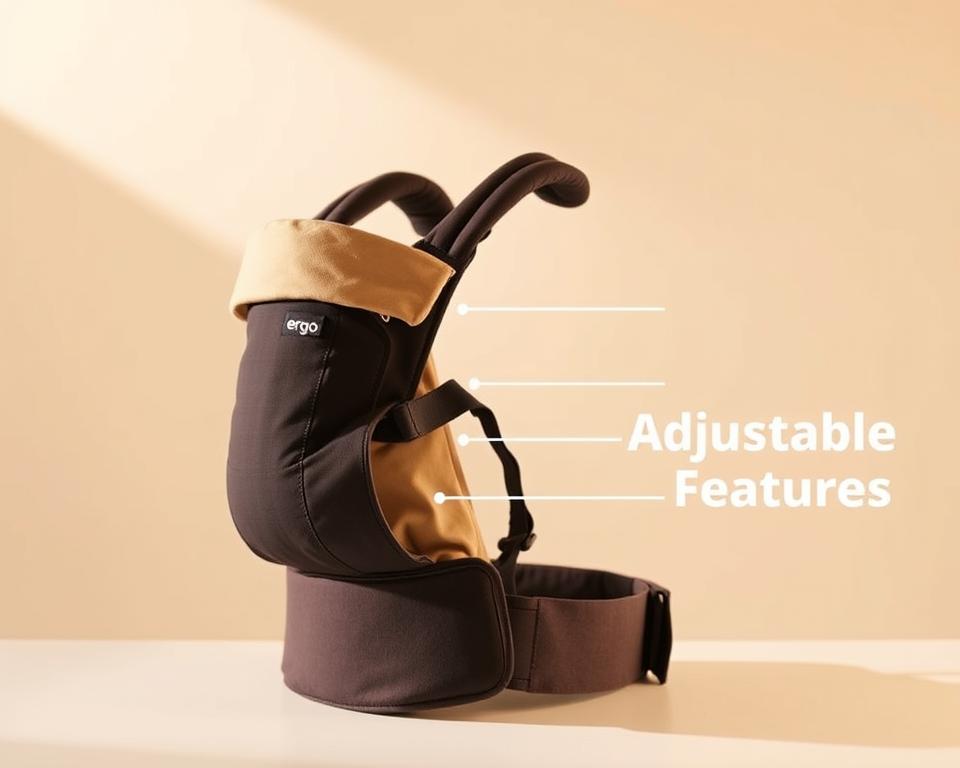
We look for adjustable features because they let a carrier grow with the child and adapt to different caregivers. An ERGO BABY CARRIER with easily changed seat width and height supports the M-position. That prevents dangling legs and gives proper thigh support for healthy hips.
Shoulder straps that convert and pad well ease shoulder strain during longer walks. Crossable straps offer a custom fit for varied body shapes. When straps are simple to adjust while wearing the carrier, we find transfers and nursing far less awkward.
Sturdy waist and hip belts move much of the baby’s weight to our hips. A wide, padded belt with secure buckles makes heavy infants easier to carry. We prefer belts that adjust across a large size range so the same ergonomic baby carrier works for partners and caregivers.
Head and neck support is not optional for newborns. Snap-down hoods or adjustable headrests protect a sleeping infant and shield from sun and wind. These features keep baby comfortable during naps and feeds while baby wearing.
Multiple carry positions increase a carrier’s lifespan. Front inward, front outward, hip, and back carries let us change posture as baby gains strength and curiosity. An infant carrier that offers these options stays useful from newborn to toddler.
We test fit and personalization before buying. Quick-adjust buckles and Velcro for newborn repositioning save time. Trying adjustments in store or via demos shows how simple it is to get a safe, ergonomic fit.
Lumbar support panels or removable lumbar pads reduce fatigue on long outings. Pockets and sun hoods add convenience without hurting ergonomics. Foldability and travel-friendly features help when we pack baby gear for trips.
When we choose baby gear, we prioritize ease of use, adjustability, and support. An infant carrier that balances those elements makes baby wearing more comfortable for both baby and caregiver.
How to Test Comfort Before Buying.
Before we commit to a purchase, we run a few quick checks to make sure the carrier truly fits our needs. Try the carrier with your baby in multiple positions. Watch spinal and hip alignment, keep the airway open, and note leg placement. An ERGO BABY CARRIER should cradle the infant carrier seat so hips rest in a natural “M” shape.
When baby is not available, we simulate wear time with a similarly weighted object for 10–20 minutes. This reveals pressure points on shoulders and hips and shows whether a baby carrier wrap or structured model spreads weight evenly. We walk, sit, bend, and reach while wearing the carrier to test balance and mobility.
Inspect seams, buckles, and fabric where it meets baby’s skin. Look for rough edges that could cause chafing. Check how easily we can get baby in and out; quick, intuitive operations reduce stress during outings or late-night feeds.
Ergo Baby Carrier vs. Competitors: Which One Wins in Comfort?
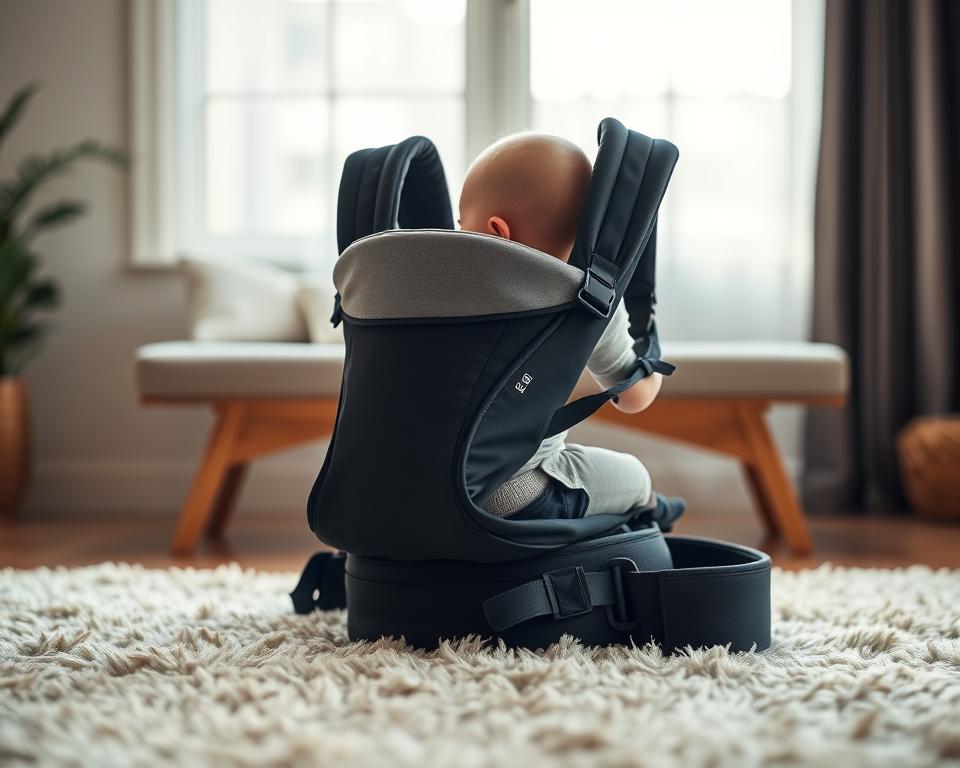
We find that ERGO BABY CARRIER models often stand out for their padded straps, strong waist support, and a well-shaped ergonomic baby carrier seat. Tula, BabyBjörn, and Lillebaby each offer competitive features. BabyBjörn tends to be lighter and simpler for newborns. Tula emphasizes design and solid construction. Lillebaby focuses on adjustability and lumbar support.
Position versatility matters. The Ergobaby Omni 360 competes well with Lillebaby for multi-position carrying. Breathable mesh models like the Ergobaby Breeze perform better than woven carriers in hot climates. We recommend trying several brands to identify the best baby carrier for our body shape and daily routine.
Safety Features You Shouldn’t Overlook
We prioritize sturdy buckles and reinforced stitching at weight-bearing points. Check manufacturer claims and look for ASTM or CPSC-aligned guidance and clear labeling of weight and age limits. Those details help us trust the product’s durability.
Airway safety is non-negotiable. Ensure chin-off-chest positioning and that no fabric covers nose or mouth. Many ergonomic baby carrier designs include shaped panels and hoods that protect while keeping airways open. Reflective accents and sun hoods add convenience for outdoor use. Ease of cleaning matters for hygiene and to reduce skin irritation risk.
Price Considerations: Is It Worth the Investment?
We weigh price against long-term value. ERGO BABY CARRIER models typically sit in a mid-to-high price bracket. Higher cost often reflects build quality, ergonomic design, and included features like infant inserts and lumbar support.
Think about longevity. A single versatile carrier that supports newborn through toddlerhood can replace several cheaper options. Simpler baby sling or budget wraps may work for limited use, but they often lack adjustability for extended wear. Warranty and customer service influence our decision when assessing worth.
Customer Reviews and Insights for Better Decision-Making
We gathered real-world feedback to help you choose the right ERGO BABY CARRIER. Many parents praise Ergobaby for comfort on long walks, durable baby gear, and an ergonomic baby carrier design that eases back pain. Reviewers often single out the Omni 360 for all-in-one use and the Breeze for breathability, while the Embrace gets strong marks for newborn snuggling and simple baby wearing.
Common complaints are worth noting. A break-in period for straps and a short learning curve for adjustments show up across reviews. Heavier models can feel bulky for smaller caregivers, and price is sometimes cited as a downside compared with simpler carriers. We recommend weighing those trade-offs against your typical use—daily commuting, hiking, or travel—before deciding which model fits your routine.
We find the most useful reviews specify caregiver body type, baby age and weight, and wear duration. Verified purchases and photos or videos add credibility. For hot climates or travel, reviewers point to mesh models like the Omni Breeze. For newborns, Embrace is often suggested. For extended wear and toddlers, Omni 360 and Adapt receive high marks as the best baby carrier options for longevity.
To finalize your choice, narrow to two or three candidates from reviews, then test in person or buy from a retailer with a flexible return policy. Consult pediatric guidance and babywearing educators for fit testing. We also recommend checking community tips on Facebook groups and parenting forums for strap hacks and lumbar support ideas. If you expect short-term use, consider resale or trade-in options—Ergobaby retains value and makes upgrading easier.
FAQ
Why does choosing an ERGO BABY CARRIER matter for my baby’s comfort and development?
We choose an ERGO BABY CARRIER because ergonomic design supports infant spinal and hip health while keeping caregivers comfortable. Pediatric guidance emphasizes an M-shaped hip position (knees higher than hips) and proper neck support for newborns. Ergobaby models provide adjustable seats, head support, and wide waistbelts that distribute weight to the hips—reducing shoulder and back strain during long wear.
How do my baby’s needs change by age and how does that affect carrier choice?
Newborns need narrow seats and strong head/neck support; many parents use infant inserts or models like the Ergobaby Embrace for early weeks. From about 3–12 months, babies benefit from more open hip positioning and close front carries for bonding. Older infants and toddlers need wider seats and versatile carry options (front, back, hip). We recommend carriers such as the Omni 360 for a long-term, multi-position solution that adapts as your child grows.
What should we prioritize for caregiver comfort when choosing a baby carrier?
Prioritize even weight distribution, a supportive waist/hip belt, padded shoulder straps, and lumbar support. Breathable materials help prevent overheating. Ergonomic carriers like Ergo Baby are designed to transfer most weight to the hips, and models with lumbar panels or wide padded waistbelts are best for long walks or hiking.
Are there medical or safety considerations we should know about with babywearing?
Yes. Use carriers that maintain the newborn C-curve and support hip-healthy positioning to lower hip dysplasia risk. Follow AAP guidance: keep airways clear (chin off chest), ensure the face is visible at all times, and respect manufacturer height/weight limits. Check for sturdy buckles, reinforced stitching, and certification or clear safety instructions.
How do different Ergo Baby carrier models compare and which suits specific uses?
The Ergobaby Omni 360 is an all-in-one choice—no infant insert required, multiple carry positions, and integrated lumbar support. The Omni Breeze adds mesh panels for superior airflow in hot climates. The Embrace is a soft-structured wrap-style ideal for newborn comfort and quick outings. The Adapt offers adjustability across age ranges but may need an infant insert depending on the model year. We suggest matching model features to your primary needs: breathability, newborn ease, or long-term versatility.
What fabrics are best for sensitive baby skin and different climates?
For sensitive skin or eczema, organic cotton and GOTS-certified fabrics reduce exposure to chemicals and dyes. Mesh blends improve airflow—Ergobaby Breeze uses mesh for ventilation. Heavier canvas or twill is durable for toddler stages, while soft knits feel gentle for newborns. Consider machine-washable, quick-drying fabrics for practicality and hygiene.
Why are adjustable features important and which ones should we look for?
Adjustability lets a carrier grow with your baby and fit multiple caregivers. Key features include adjustable seat width to ensure M-position hips, convertible padded shoulder straps (crossable for different body types), a wide adjustable waistbelt for weight transfer, and an adjustable head/neck support or snap-down hood. These elements improve ergonomics, safety, and comfort for long-term use.
How can we test comfort before buying a carrier?
Test with your baby in-store if possible: check spinal and hip alignment, airway openness, and leg positioning. Wear the carrier for 10–20 minutes (with baby or a weighted substitute) to assess shoulder and hip comfort. Walk, sit, bend, and reach to evaluate balance and mobility. Inspect seams and buckles for chafing and practice getting baby in and out to judge ease of use.
How does Ergobaby compare to competitors like BabyBjörn, Tula, or Lillebaby?
Ergobaby models are praised for strong waist support, padded straps, and ergonomic seat design. BabyBjörn often offers lighter, simpler newborn-friendly carriers. Tula stresses stylish designs and solid construction, while Lillebaby provides extensive adjustability and lumbar support. We recommend trying multiple brands to see which fits your body shape and typical use best.
What safety features should we not overlook when choosing a carrier?
Don’t overlook sturdy buckles, reinforced stitching at weight-bearing points, clear weight/age limits, and airway safety design. Look for carriers with visible safety labeling, reliable manufacturer testing claims, and features like shaped panels or hoods that protect while keeping the face unobstructed. Easy-to-clean fabrics also help maintain hygiene and reduce skin irritation risk.
Is investing in an Ergobaby carrier worth the price?
Yes, when you consider longevity and versatility. Ergobaby carriers typically cover newborn through toddler stages, reducing the need for multiple purchases. Features like lumbar support, multiple carry positions, and durable construction add value. If budget is tight, simpler wraps or slings work for short-term use, but may lack comfort for extended wear. Factor in warranty, resale value, and how often you’ll use the carrier.
What do real parents say about Ergobaby carriers?
Many parents praise Ergobaby for comfort on long walks, durable construction, and effective ergonomic support that reduces back pain. Common complaints include a learning curve for adjustments and some models feeling bulky for smaller caregivers. Reviewers often recommend mesh models like Omni Breeze for hot climates and the Embrace for newborn ease.
How should we weigh reviews and expert advice to make a final decision?
Prioritize reviews mentioning caregiver body type, baby age/weight, use case (daily commuting vs. hiking), and wear duration. Look for verified purchases and photo/video reviews. Consider recommendations from certified babywearing educators who stress hip-healthy positioning and proper fit testing. Narrow to 2–3 models and perform hands-on tests or buy from retailers with flexible return policies.